

By Ahmed Ali, Kafanchan
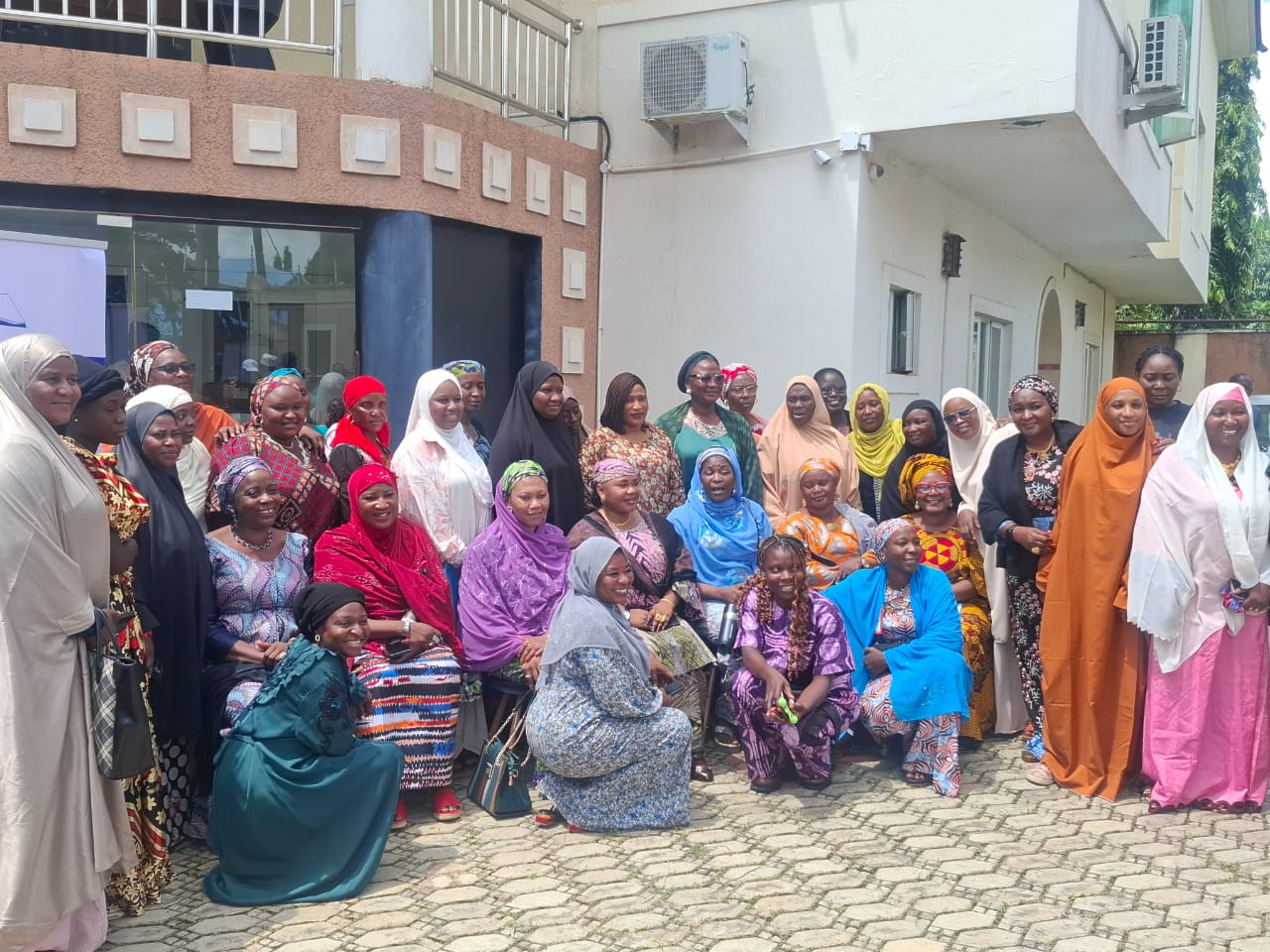
The Interfaith Mediation Centre (IMC), with support and partnership from the German Embassy, Abuja, has trained community leaders in Kaduna State on legal navigation, paralegal support and alternative dispute resolution mechanisms.
The two-day training, held as part of the project, “Strengthening Women Interfaith Leadership, Human Rights Protection for Transitional Justice, and Promoting Democratic Stability in Kaduna State,” was designed to equip community leaders with basic knowledge to help residents navigate the justice system and access appropriate legal and human rights services.
Speaking during the training, a Senior Magistrate with the Kaduna State Judiciary, Her Worship Maryam Abbas, said community paralegals were not lawyers but trusted persons who could serve as a bridge between communities and the justice system.
She said their responsibilities included educating people about their basic rights, helping them document complaints, making appropriate referrals and following up on cases, while stressing that they must operate within clearly defined limits.
Abbas said community paralegals could assist residents with simple disputes through dialogue but should refer serious cases such as rape, murder, kidnapping, robbery, trafficking and grievous injury to the appropriate authorities and professionals.
She also warned the participants against collecting money for bail, appearing in court as lawyers, forging documents or presenting themselves as legal practitioners.
The magistrate further urged the participants to observe confidentiality, avoid discrimination and conflicts of interest, and apply the “Do No Harm” principle when handling sensitive cases.
According to her, community leaders should consider the safety of victims and other persons involved before taking action, particularly in cases involving domestic violence, suspected criminality and children.
On the second day, participants were introduced to the Kaduna State Multi-Door Courthouse (KSMDCH) and different pathways for resolving disputes outside conventional litigation.
The training focused on mediation, arbitration and restorative justice, with participants taught how to assess cases, obtain consent, identify appropriate referral institutions and follow up on cases.
Abbas explained that mediation involved helping disputing parties communicate and reach an acceptable agreement, while arbitration involved a neutral arbitrator determining a dispute according to the applicable process.
She said restorative justice, on the other hand, focused on the harm caused, accountability and possible ways of repairing the harm and relationships where appropriate.
She urged community paralegals to refer cases to institutions such as the Legal Aid Council, Federation of Women Lawyers (FIDA), National Human Rights Commission, Ministry of Justice, police, health facilities and the KSMDCH, depending on the nature of the matter.
She also advised participants to protect confidential information and avoid collecting unnecessary details, particularly in sensitive cases involving survivors of violence.
Speaking on the objective of the training, a Director at IMC, Mr Samson Auta, said the initiative was aimed at equipping community leaders with basic paralegal knowledge to contribute to peaceful communities and support government efforts towards promoting peace and unity.
Auta said strengthening the capacity of community leaders would enable them to better understand legal and human rights issues and guide residents towards appropriate institutions when faced with disputes or rights violations.
Some participants who spoke with our correspondent commended IMC and the German Embassy for organising the training.
They pledged to replicate the knowledge acquired in their respective communities and contribute to protecting citizens’ rights, promoting peaceful dispute resolution and strengthening social harmony.
The training is part of IMC’s broader efforts to promote peace, interfaith understanding, human rights protection and community resilience across Kaduna State.
