


|
Getting your Trinity Audio player ready...
|
By Usman Abdullahi Koli
Beyond ratings and profiles, elections are ultimately about trust. Not the loud, manufactured trust of rallies and rehearsed chants, but the quiet confidence a people develop when they believe a leader understands their reality and will not toy with it. In Bauchi, that trust has been bruised by years of promises that bloomed briefly and withered quickly. What the electorate seeks now is reassurance rooted in evidence, not excitement sustained by noise.
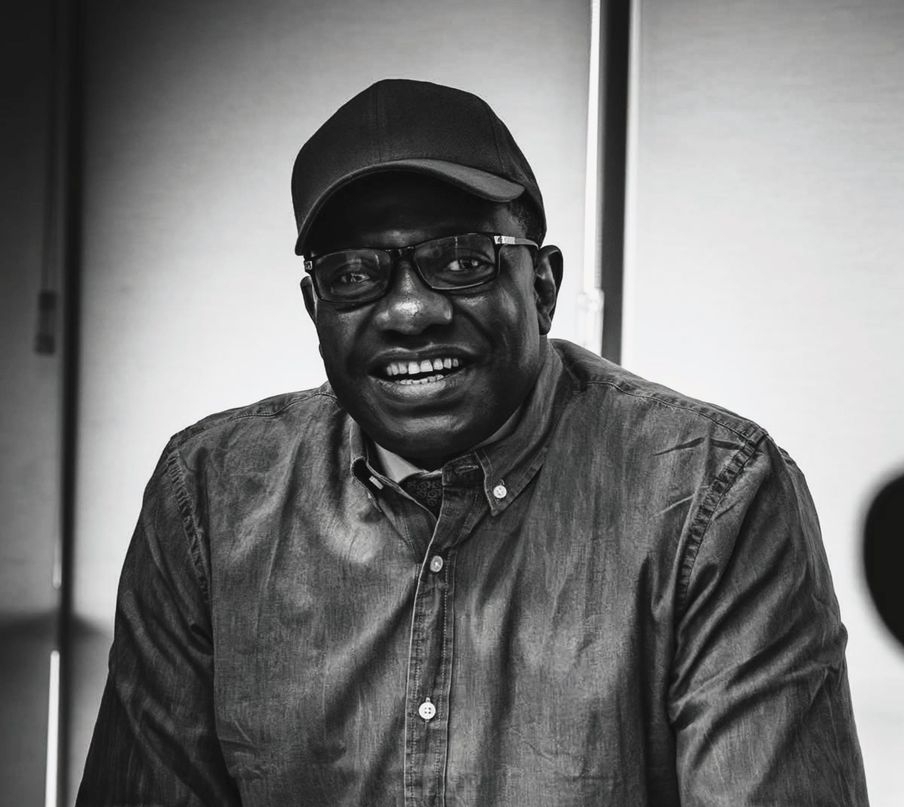
Dr. Bala Maijama’a Wunti represents that reassurance. His story does not begin with ambition for office; it begins with immersion in responsibility. Years of managing complex portfolios, balancing national interest with commercial logic, and navigating institutions where errors are costly have shaped his worldview. Such experience leaves little room for improvisation. It breeds caution, foresight, and respect for process. These are not glamorous political traits, but they are precisely what Bauchi needs after decades of governance driven more by personality than planning.
One of Bauchi’s deepest challenges is not lack of ideas but lack of execution. Policies are announced, committees inaugurated, visions unveiled, yet outcomes remain thin. The gap between intention and implementation has widened over time. Wunti’s career speaks directly to this problem. In environments where projects are measured by delivery timelines, financial discipline, and tangible returns, failure is not excused by good intentions. That culture of results is what he brings into the political space, and it explains why many who have worked with him speak less about his words and more about his work.
There is also the matter of dignity in leadership. Bauchi’s political culture has grown weary of unnecessary confrontations and public quarrels. The people yearn for a governor who governs without constantly campaigning, who speaks with restraint, and who listens more than he lectures. Wunti’s temperament fits this expectation. He does not seek relevance through controversy. He does not weaponize rhetoric. His calmness is not aloofness; it is discipline. In a volatile political environment, such discipline becomes strength.
Importantly, his candidacy reframes the conversation around youth. Bauchi’s young population is energetic, frustrated, and increasingly impatient with recycled leadership. Yet they are also discerning. They recognize competence when they see it. They understand that sustainable opportunity comes from systems that work, not from temporary gestures. Wunti’s engagement with young professionals, students, and innovators has been subtle but meaningful. He speaks their language of structure, opportunity, and merit, not just empowerment slogans. In him, many see proof that excellence can still rise without godfathers shouting its name.
Religious and traditional institutions, the moral backbone of Bauchi society, also matter deeply in electoral decisions. These institutions value consistency, humility, and respect for order. Wunti’s relationship with them has been built quietly over time, not hurriedly assembled for elections. That long-standing respect gives his aspiration a moral grounding that cannot be replicated overnight. In a state where legitimacy is as much cultural as it is constitutional, this grounding is critical.
Critics may argue that politics is not technocracy, that governance requires more than expertise. They are right, but they miss the point. Bauchi does not need a theorist; it needs a practitioner who understands people and systems. Wunti’s strength lies in the balance he strikes: technical mastery tempered by cultural awareness, ambition moderated by humility, vision guided by realism. He does not present himself as a savior but as a steward, someone prepared to manage a trust rather than dominate a stage.
As 2027 approaches, alliances will shift, narratives will be constructed, and old rivalries will resurface. Yet, amid the maneuvering, one truth remains constant: the state’s future will be shaped not by the loudest voice but by the most capable hands. Bauchi stands at a point where choosing familiarity may feel safe, but choosing competence is wiser. The difference between the two will define the next decade.
In Dr. Bala Maijama’a Wunti, Bauchi encounters a rare convergence of ability, acceptance, and timing. His emergence is not accidental; it is a response to a collective fatigue with politics as spectacle and a growing appetite for governance as responsibility. If the state listens carefully, beyond the din of campaigns, it will hear a clear signal: that seriousness, once again, has a chance.
History often rewards societies that recognize the moment when change is not shouted but sensed. For Bauchi, 2027 may well be that moment. The choice before the people is not merely about who governs next, but about how governance itself is redefined. And in that redefinition, the quiet competence of Bala Maijama’a Wunti offers not just an option, but a direction.
Koli can be reached at [email protected]

Comments are closed, but trackbacks and pingbacks are open.