
Obong of Calabar pleads, calls for dialogue on ban of local languages as medium of teaching

|
Getting your Trinity Audio player ready...
|
By Akpan David, Calabar
The Obong of Calabar and Grand Patriarch of the Efik Kingdom, His Eminence Edidem Ekpo Okon Abasi V, has appealed to the Federal Government to rescind its recent decision banning the use of indigenous languages to teach and communicate in Nigerian schools.
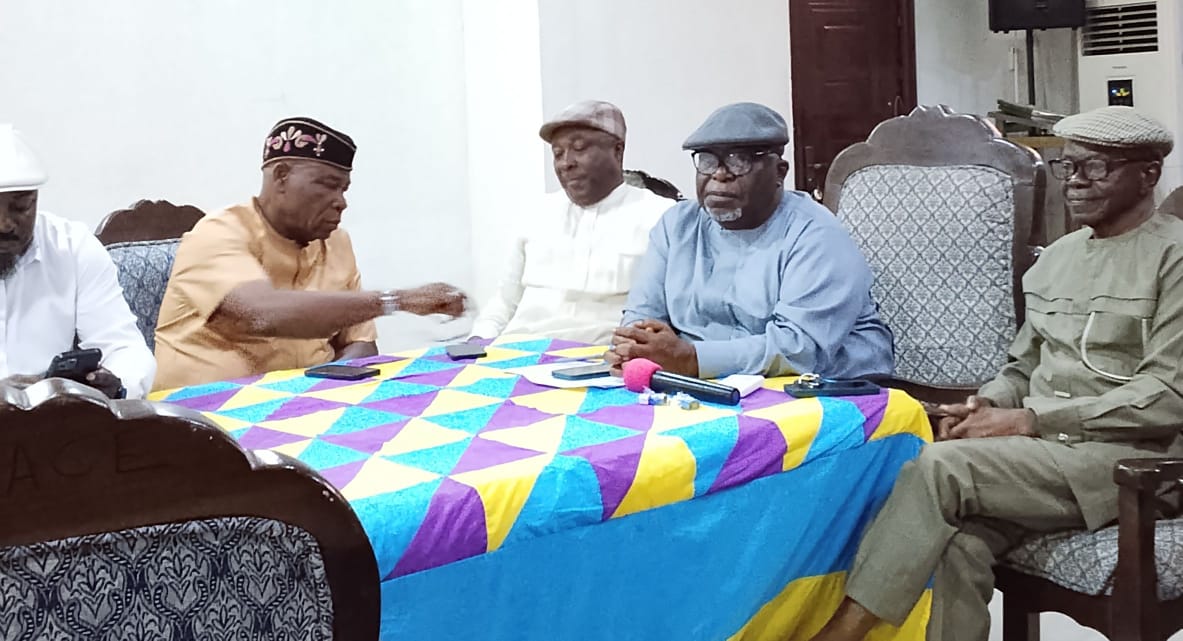
The monarch’s position was conveyed by the Chairman of the Obong of Calabar Executive Forum (OCEF), High Chief Gershom Henshaw, MFR, during a briefing in Calabar outlining activities for this year’s Utomo Obong celebration, themed “Peace.”
The annual Utomo Obong festival draws Efik sons and daughters, well-wishers, and dignitaries to pay homage to the Obong and to celebrate the kingdom’s rich heritage.
The controversy stems from the announcement made on November 12, 2025, by the Minister of Education, Dr. Tunji Alausa, at the 2025 Language in Education International Conference in Abuja. The minister declared a ban on teaching in local or indigenous languages—effectively reversing the previous national policy that promoted mother-tongue instruction in early education. The announcement has since sparked widespread public outrage.
Rejecting the new directive, the Obong described the policy as culturally damaging and unsustainable.
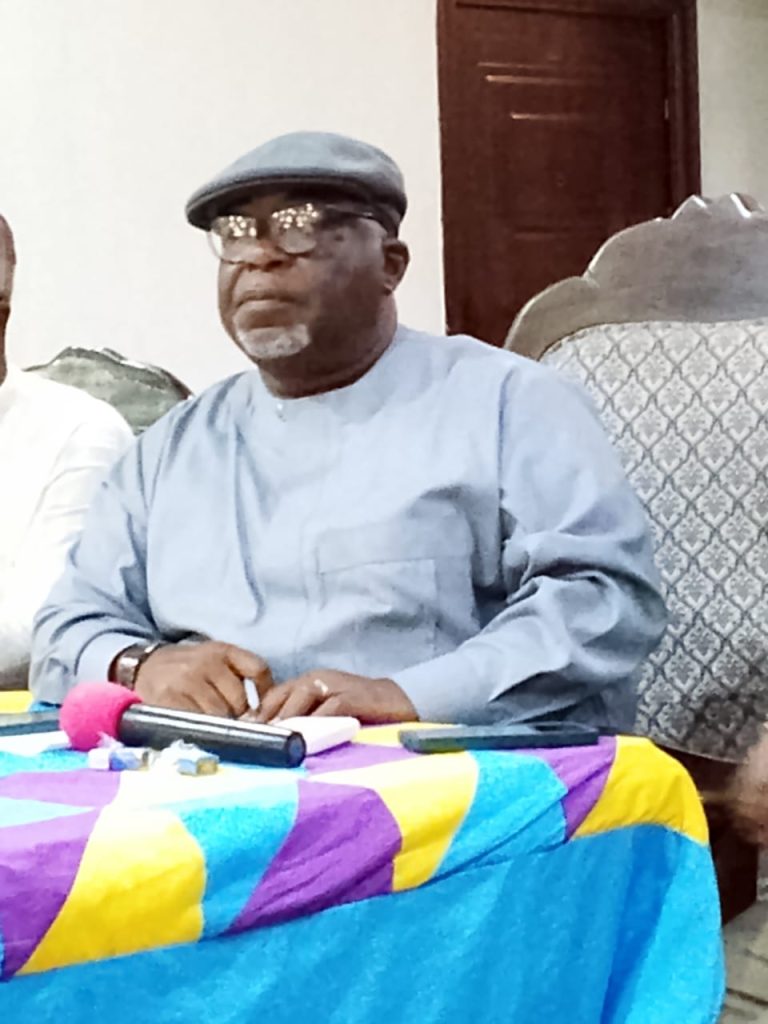
Quoting the monarch, Chief Henshaw said:
“The Federal Government should reconsider its decision to ban the teaching and use of local languages in our schools. It is not acceptable and will cause confusion. What becomes of those who studied these languages in our universities, hoping to teach future generations? It is simply obnoxious to prohibit indigenous languages in our education system.”
He noted that the Cross River State House of Assembly recently passed a law mandating the use of local languages across schools in the state—a development the Obong had earlier commended.
The monarch further observed that several ethnic groups—including from Edo State, the Ibibio nation, and the Efik Kingdom—have openly protested the policy.
“How can we be told that our children should no longer learn their mother tongue or that it shouldn’t be used to teach? The federal authorities must realize that our language is our identity, our history, and our strength,” he said.
The Obong also recalled that UNESCO established International Mother Language Day after 18 Pakistani students were killed protesting a similar ban in their country.
“If UNESCO, a global organization, recognizes the importance of mother tongue, then our federal government must reflect deeply on its decision,” he insisted.
As part of the week-long Utomo Obong celebration scheduled for December 15–20, 2025, the palace has designated a special day when all participants—including visiting dignitaries—will conduct activities strictly in the Efik language.
“Many Nigerian languages are fading because there is no deliberate emphasis on preserving them. We intend to revive the culture of speaking Efik. A dedicated day during the festival will require everyone to speak at least a word or phrase in Efik. Indigenous languages enrich and strengthen Nigeria,” Chief Henshaw said.
He also announced that the Obong will confer the prestigious Efik chieftaincy title Ada Idaha Ke Efik Eburutu on 17 eminent Nigerians during the festivities.
According to him, the Cross River State Government has given full support to the event, now in its 14th year, and has incorporated it into the annual Carnival Calabar programme. He assured that adequate security measures have been arranged for the large crowds expected at the venue, which has been relocated from UJ Esuene Stadium to the ancestral home of Edidem Ekpo Okon Abasi Otu V.
The festival will also feature cultural contests among the 12 ancestral Efik clans, climaxing on with royal golf tournament, a delight of the Obong, in collaboration with Calabar Golf Club to promote peace.

Comments are closed, but trackbacks and pingbacks are open.