
2027 and the Burden of Fairness: why Nasarawa West and Ahmed Wadada represent the smart choice

|
Getting your Trinity Audio player ready...
|
By Sam Israel JP
The recent interaction between Governor Abdullahi Sule and respected leaders from Toto Local Government quietly but firmly settled an issue that has generated unnecessary noise in recent times. Once again, the Governor made it clear that zoning remains a guiding principle within the APC in Nasarawa State. With that clarity, the debate around where the governorship should go in 2027 ought to give way to sober reflection and responsible planning.
Zoning has never been about shutting doors or suppressing ambition. It is a stabilizing agreement built on trust and shared sacrifice. In a diverse state like Nasarawa, it serves as a moral compass—ensuring that power rotates fairly and no section feels permanently locked out of leadership. Without such balance, unity becomes a slogan rather than a lived reality.
The logic is straightforward. If zoning was good enough to guide yesterday’s decisions, it must be good enough to shape tomorrow’s choices. Anything short of that would amount to rewriting the rules mid-game, a move that breeds resentment and weakens collective faith in the political process.
Governor Sule’s position draws strength from history. Nasarawa North once benefitted from the courage of leaders who chose equity over arithmetic. Despite having fewer local governments, the zone produced a governor because fairness was prioritized above numbers. That decision calmed tensions, fostered inclusion, and deepened trust across the state.
Today, the spotlight naturally turns to Nasarawa West. The zone has waited its turn with remarkable restraint, contributing to the growth and stability of the state without demanding shortcuts. To deny it now would not only be unjust but also counterproductive, as it would signal that patience and loyalty are no longer valued virtues.
Consistency in leadership is not optional; it is essential. One cannot applaud zoning when it favors one area and attack it when the pendulum swings elsewhere. Governor Sule’s insistence on staying the course reflects principled leadership—leadership that understands that peace is preserved not by force, but by fairness.
Yet, equity alone does not win elections or guarantee good governance. Beyond zoning, the state must also consider competence, vision, and preparedness. This is where the conversation moves from where power should go to who is best equipped to carry it.
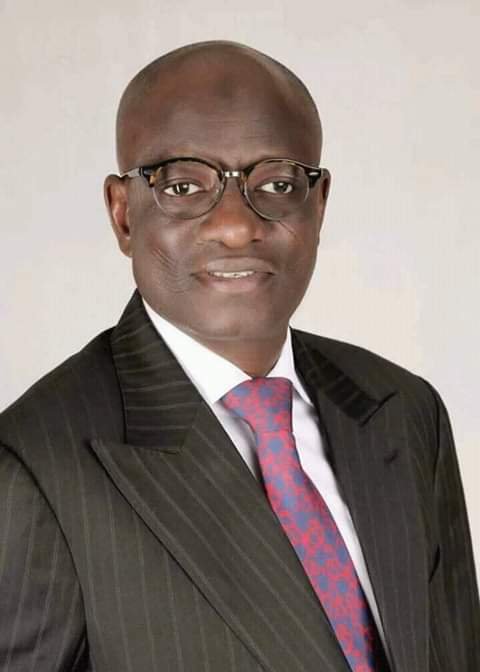
Senator Ahmed Wadada Aliyu emerges naturally in this context. His public service record reflects depth, discipline, and a strong grasp of governance. Years in the National Assembly have exposed him to policy formulation, national negotiations, and the complex realities of leadership in a plural society.
Unlike many aspirants with narrow strongholds, Wadada commands respect across zones. His political relationships cut across ethnic, religious, and regional lines, making him uniquely positioned to unify the state rather than govern it in fragments. In a time that demands bridge-builders, this quality cannot be overstated.
Another compelling strength is his understanding of economic and developmental issues. Wadada has consistently engaged with matters of infrastructure, education, and social welfare, not as campaign rhetoric but as legislative responsibility. This experience gives him a head start in translating ideas into actionable policies.
Equally important is his temperament. Leadership is not just about ideas but about emotional intelligence—the ability to listen, accommodate dissent, and make tough decisions without inflaming tensions. Wadada’s calm, measured approach aligns with the peaceful political culture Nasarawa has worked hard to sustain.
Continuity is another factor working in his favor. The foundations laid by Governor Sule in terms of stability, reform, and inclusive governance require someone who understands the journey so far. Wadada represents progress without disruption—a steady hand capable of consolidating gains while charting new paths.
It must be said clearly: everyone has the constitutional right to aspire. Democracy thrives on competition. However, every election cycle also carries a moral undertone, and 2027 unmistakably points toward Nasarawa West. Ignoring that signal would come at a high cost.
In years to come, another leader should be able to acknowledge that fairness paved the way for their emergence. That acknowledgment should originate from Nasarawa West. And among all contenders from the zone, Ahmed Wadada Aliyu stands tallest in preparation, reach, and readiness.
When equity, competence, experience, and unity are weighed together, the conclusion becomes unavoidable. Nasarawa State deserves a leader who reflects its diversity, respects its agreements, and understands its future. By every reasonable measure, Senator Ahmed Wadada Aliyu fits that responsibility.
In the final analysis, logic, justice, and the long-term peace of the state all converge on one outcome. The next governor should come from Nasarawa West—and that governor should be Ahmed Wadada Aliyu.
Sam Israel is the Senior Special Assistant on media to Senator Ahmed Wadada Aliyu.

Comments are closed, but trackbacks and pingbacks are open.