

|
Getting your Trinity Audio player ready...
|
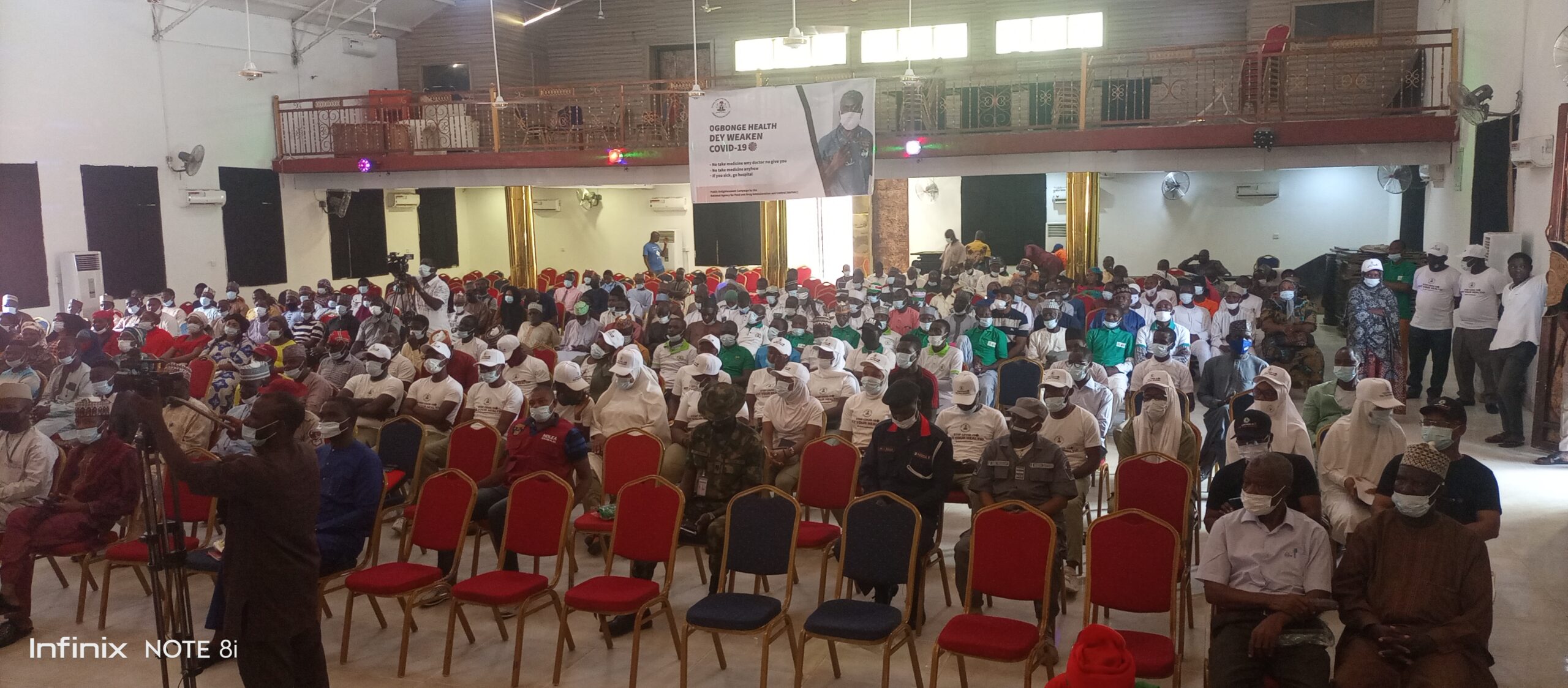
Participants at the NAFDAC stakeholders meeting in Bauchi
By Akanji Alowolodu, Bauchi
It has been observed that a well informed, sensitized and educated Citizenry is the bedrock of effective regulation particularly in the fight against consumption of uncertified and regulated food items.
The observation was made by the Director General of National Agency for Foods and Drugs Administration and Control (NAFDAC), Professor Moji Christiana Adeyeye while speaking in Bauchi on Tuesday during a stakeholders meeting.
The NAFDAC DG said that “Public Awareness Campaign is One of the veritable regulatory mechanisms put in place by NAFDAC to promote and protect the health of our people. That is why today’s event is another major milestone in our bid to protect Nigerians against the deleterious effects of unwholesome food, falsified medical products, Harmful Cosmetics, Poor Water and other Substandard regulated products”. She explained that the key objective of the sensitization programme was to intensify and expand the scope of NAFDAC informal and formal behaviour change communication strategies in order to reach the vulnerable communities especially at the grassroots because dissemination of Food and Drug safety information is an important aspect of our regulatory work.
She further observed that it is common knowledge that Nigeria has a preponderant share of the global problem of falsified medical products and unwholesome food stressing that the advent of Covid-19 Pandemic has aggravated the problem with the challenge posed by substandard and falsified Personal Protective Equipment (PPEs).
Therefore, the Sensitization campaigns will contribute significantly to Federal Government’s concerted efforts to inform, sensitize, educate and alert the public about inherent dangers of intake and use of those spurious regulated products.
According to her, the campaign themes are multifaceted with clear, concise, informative and educative messages aimed at arousing the awareness and consciousness of the general public about the various infractions that impact negatively on our healthcare delivery system which intend to address the following public health challenges:
On the dangers of buying medicines from hawkers she said that patients are to buy medicines from only licensed Pharmacies and Medicine Stores lamenting that Abuse of Codeine and self-medication especially among youths has become so alarming.
She also stressed The dangerous effects of using Kerosene tanker to load groundnut oil, Dangerous practice of using potassium bromate to bake bread as well as the Use of Azo-dyes in Palm oil which causes cancer, Dangers of using Sniper to preserve any type of food or to keep flies away from meat and the Dangers of transfat and consumption of excessive oil.
The NAFDAC DG who was represented by the Director, Planning, Research and Statistics of the Agency, Pharm Fori Tatama decried the Use of formalin on food and its associated health hazards, Low level of Exclusive Breastfeeding Practice by Lactating Mothers and its associated health hazards and Dangers of wrong use of pesticides and insecticides.
Another area of worry are the Wrong use of chemicals and its hazardous effects, Problem of antimicrobial resistance arising from animal meat saying that, “I am pleased to inform you that the Mass Media, Vibrant Youth Organisations and Civil Societies in the pilot states will be in the forefront of the Sensitization campaigns. The target audiences are Market Women and Men, Road Transport Workers and Employers, Community Youth Organisations and Students”.
“We have engaged the services of MMCC as project Consultant to drive the sensitization campaigns and it is gratifying to note that the campaign materials are ready to be deployed on the field. It is our expectation that at the end of the Campaigns, the Participants and Target Audiences would become dependable Partners and Allies of NAFDAC and be in the forefront of sustaining the public awareness campaigns by disseminating the information and messages to the Grassroots. Our ultimate goal is to ensure that the various communities take ownership of the care and management of their own health”, she added. The DG commended the support and encouragement of Members of the Senate Committee on Health and Members of the House Committee on Healthcare Services as well as the Chairman of the Senate Committee, Senator {Dr}Ibrahim Oloriegbe and his Counterpart in the House Committee, {Dr} Yusuf Tanko Sununu for their invaluable contributions and support for this Programme and other regulatory activities of the Agency.
She also thanked the Press for the unalloyed support saying, “We will continue to count on your collaboration as the Agency intends to organise in phases and stagger the Sensitization campaigns to cover all 36 States of the Federation within available resources.
In conclusion, Moji Adeyeye reassured that NAFDAC under her watch will not leave any stone unturned in our concerted efforts to rid the Country of the menace of falsified medical products, unwholesome food, harmful Cosmetics, Poorly packaged Water and other Substandard regulated products. Director General NAFDAC.
In his remarks, the Emir of Bauchi, Dr Rilwanu Suleiman Adamu commended NAFDAC for the sensitization meeting saying that it was necessary as it will afford people to know what is right and healthy to consume.
Represented by the Sarakin Bauchi, Alh Abdullahi Abba, the Emir assured that the traditional institution in the state is ready to support the campaign in order to safe guard the lives of the people warning those involved in such acts to desist.
The State Director of NAFDAC, Mrs Josephine Daylin assured that the Agency in the state is ready to ensure that regulations on food and drug administration are enforced in the state in order to make the people safe.
Josephine Daylin urged members of the public to as a matter of necessity, report to the agency anyone caught using banned substances for preservation of food and avoid paying drugs from unregistered premises and hawkers.
