

By Usman Abdullahi Koli
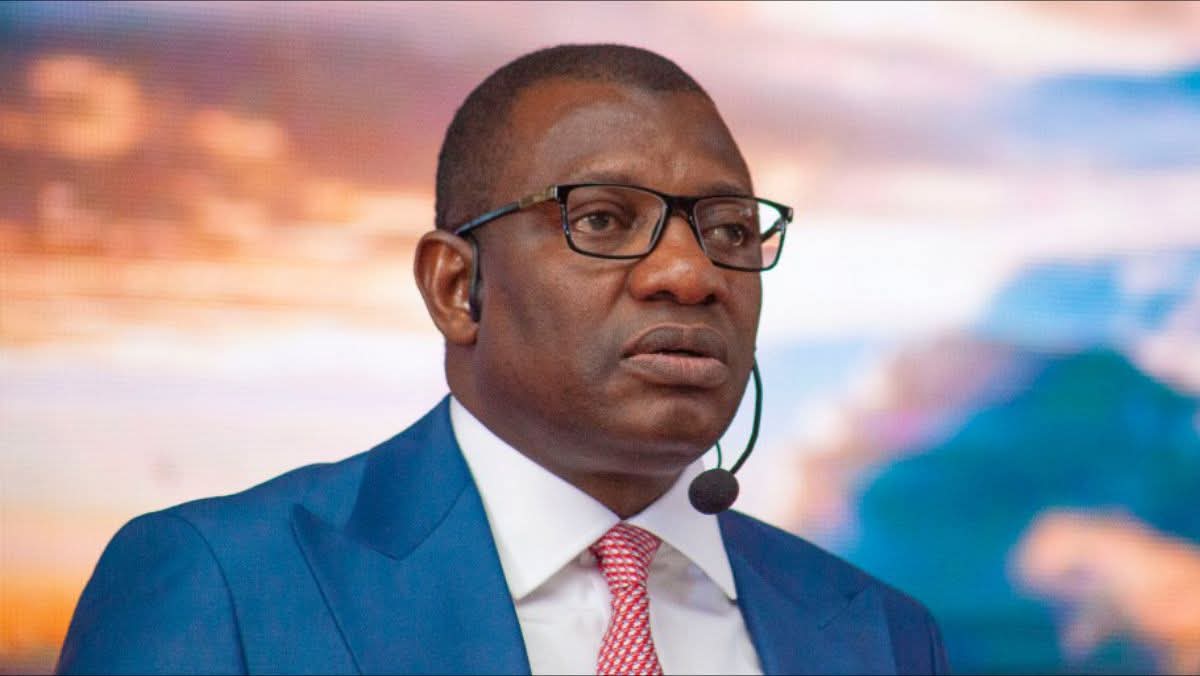
The complexity of Bauchi’s political terrain makes one reality unavoidable: competence alone is insufficient, and balance without capacity is dangerous. What the state requires in 2027 is a convergence of both. This is where Dr. Bala Maijama’a Wunti enters the equation with unusual clarity. His relevance is not accidental; it is shaped by how well his profile responds to Bauchi’s historical sensitivities, demographic realities, and moral expectations.
Bauchi’s politics, as history shows, does not reward aggression. It rewards understanding. Leaders who succeed here are those who read the land before reading opinion polls. Wunti’s background as a technocrat trained in negotiation, risk management, and institutional coordination aligns with this logic. He understands systems, but more importantly, he understands restraint. In a state where legitimacy is conferred quietly by elders, clerics, and consensus-builders, his calm disposition becomes political capital.
From a zonal perspective, his emergence from Bauchi South would ordinarily trigger resistance, given the long dominance of the zone. Yet, context matters. Wunti does not arrive as a career politician benefiting from the old order; he arrives as a neutral technocrat without baggage from past administrations. This distinction softens the usual zonal reflex. He does not symbolize continuation of southern dominance but offers a corrective within it—a different kind of southern candidate whose appeal is not rooted in entitlement but in service capacity.
For Bauchi North, long aggrieved despite its elite strength and historical contributions, Wunti’s profile offers reassurance rather than rivalry. His federal exposure and national networks resonate with Katagum’s tradition of producing high-level technocrats and administrators. He is seen less as a competitor and more as a partner who understands institutional power and can accommodate northern interests within a balanced framework.
Bauchi Central, the perennial swing zone, finds in him something it values deeply: moderation. His temperament aligns with the zone’s historical role as coalition-builder rather than aggressor. Central Bauchi has always responded to candidates who listen, negotiate, and integrate. Wunti’s consensus-driven style speaks directly to that instinct, positioning him as someone who can unify rather than polarize.
Religion and traditional institutions also matter profoundly. Bauchi does not separate leadership from moral posture. Wunti’s personal discipline, respect for hierarchy, and non-confrontational engagement with religious and traditional authorities fit seamlessly into the state’s value system. He does not seek endorsement through spectacle; he earns trust through consistency. In a society where spiritual legitimacy often outweighs financial muscle, this approach carries weight.
Geographically, his understanding of uneven development across the state strengthens his appeal. He recognizes that Bauchi South’s grievances are not about access to power but about equitable distribution of benefits. He understands why Toro matters, why Bauchi town shapes perception, and why Azare anchors northern political pressure. This spatial awareness is critical in a state where votes are influenced as much by neglected roads and forgotten settlements as by party loyalty.
Perhaps most importantly, Wunti fits Bauchi’s quiet mantra of oneness. His identity does not threaten any group, and his ambition does not inflame old wounds. In a polity weary of dominance politics, his neutrality becomes strength. He represents the possibility that governance can return to seriousness, that leadership can be firm without being loud, and that development can be pursued without fracturing the social fabric.
Bauchi’s history teaches that leaders who endure are those who blend into the state’s moral and cultural rhythm. Wunti’s strength lies in this blend. He is modern without arrogance, traditional without rigidity, ambitious without entitlement. In a contest that will be decided not by slogans but by acceptance, not by noise but by trust, these qualities matter.
As 2027 approaches, Bauchi will not merely choose a governor. It will choose whether to deepen old patterns or recalibrate its future. In Dr. Bala Maijama’a Wunti, the state is presented with a rare alignment of competence, balance, and inclusivity. And in Bauchi politics, such alignments do not come often.
Koli can be reached at [email protected]

Comments are closed, but trackbacks and pingbacks are open.