

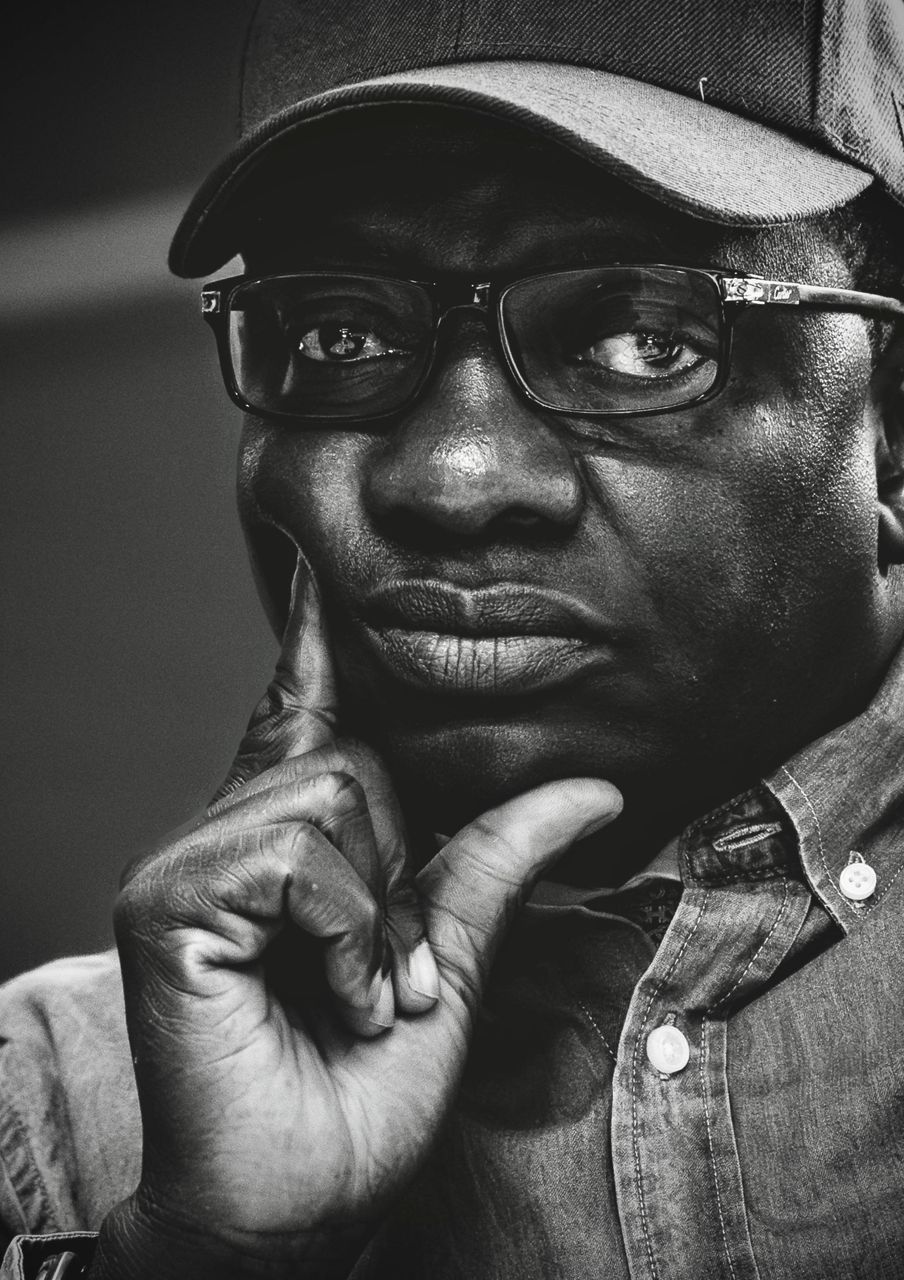

By Usman Abdullahi Koli
In February 1976, the late Maj. Gen. Murtala Mohammed created Bauchi State and others. This statehood has translated into economic development, prosperity, advancement, rural development, and robust involvement in political participation. Apart from government institutions and international development contributions, there are individuals whose enormous contributions cannot go unmentioned while marking the 50 years of resilience and steadfastness.
These individuals, perhaps self-made, state actors, or business owners, have silent impacts on the lives of the good people of the pearl of tourism – Bauchi State.
The 50th anniversary of Bauchi State prompted this reflection. Bauchi, now standing at 50 years of statehood and reflecting on its journey, is in such a moment.
In a state long accustomed to loud influence, visible authority, and inherited prominence, a different language has begun to speak to the people: a language of presence, empathy, and deliberate service. It is in this context that the name Bala Maijama’a Wunti has moved from being known to being felt, from being mentioned to being discussed, and from being discussed to being quietly measured by the people themselves.
Bauchi has never lacked accomplished sons. Over the last five decades, the state has produced intellectuals of national repute, technocrats and administrators who have held high offices, businessmen who built empires, and political figures who shaped eras. Their contributions are part of the state’s history and must be acknowledged with fairness. Yet history also teaches that influence alone does not automatically translate into emotional legitimacy. What separates memory from movement is not status, but touch. In recent years, as economic pressures deepened, social safety nets weakened, and ordinary people found themselves navigating hardship with little assurance, the public began to pay closer attention to those who showed up without compulsion and without spectacle.
This is where Bala Wunti’s engagement with his people began to attract genuine notice: not as a political statement and not as a campaign gesture, but as a consistent pattern of human response. Through the Wunti Alkhair Foundation and through personal interventions that deliberately avoided publicity, his work entered communities quietly and stayed there. Support for basic needs, access to healthcare, educational assistance, empowerment initiatives for women and youth, and direct relief to families in distress were not framed as charity, but as responsibility. The beneficiaries were not treated as statistics or backdrops, but as neighbours whose dignity mattered.
What distinguishes these gestures is not merely their scale, but their texture. They are not transactional. They do not demand loyalty. They do not come with conditions. In a political environment where assistance is often timed, branded, and weaponised, this difference is not lost on the people. Markets talk. Mosques talk. Families talk. And the conversations are not about power or ambition, but about someone who listens, someone who responds, someone whose doors remain open long after the cameras are gone.
Equally significant is the manner of engagement. Bala Wunti does not approach the people of Bauchi from above. His interactions reflect familiarity without arrogance and confidence without distance. He attends to elders with respect, engages youth without condescension, and supports women without patronage. This posture matters in a state whose social fabric is deeply sensitive to sincerity. Bauchi, at fifty, is more self-aware, more reflective, and less impressed by performance than it once was. It is a place where people can forgive mistakes, but rarely forgive pretence. What they are responding to now is the absence of performance and the presence of intent.
It is important to state clearly that this moment is not about erasing the contributions of others. Bauchi’s progress over five decades has always been cumulative, built by many hands across generations. But within every period, a particular figure often emerges who captures the emotional mood of the people, not because they asked for attention, but because the moment found them prepared. The growing public interest in Bala Wunti reflects less personal ambition and more collective curiosity. People are asking questions. They are observing patterns. They are weighing consistency against history.
There is also a broader undercurrent shaping this reception. Across Nigeria, citizens are increasingly skeptical of loud promises and symbolic leadership. The public mood has shifted toward practical compassion and visible impact. In Bauchi, where communal bonds remain strong and hardship is widely shared, and where fifty years of experience have sharpened public judgment, humanitarian action carries political meaning even when it is not framed as politics. It signals values. It suggests priorities. It offers a glimpse into how power might be exercised differently.
This is why discussions around Bala Wunti now extend beyond admiration into contemplation. Not because he has declared anything, and not because he has positioned himself aggressively, but because people are projecting questions onto a figure whose actions feel grounded. They are asking what leadership anchored in empathy might look like. They are imagining governance that begins with listening. They are wondering whether kindness, when sustained and structured, can become a serious instrument of public good.
History shows that societies rarely announce turning points in advance. They reveal them gradually, through shifting conversations and changing expectations. As Bauchi marks fifty years of existence and quietly assesses what it has been and what it hopes to become, what is unfolding today may or may not crystallize into a defined political chapter, but its significance should not be dismissed. It reflects a hunger for leadership that understands pain before power and service before status. In that sense, the rising attention around Bala Maijama’a Wunti is less about the man and more about the mirror he holds up to the aspirations of the people.
When kindness becomes consistent, it stops being charity and starts becoming character. And when character aligns with public need, societies take notice. Bauchi is listening now, not because it is being persuaded, but because it recognizes something familiar and long missed.
Koli wrote from Bauchi and can be reached at [email protected].
Supported by Arc. Ya’u Usman Darazo.

Comments are closed, but trackbacks and pingbacks are open.