

By Amina Abdullahi Samuel
I attended the Nigeria Reputation Summit 2026 virtually on January 20, 2026, and although it was through a screen, the energy and urgency of the discussions were palpable. Organized by the Nigerian Reputation Management Group (NRMG), an initiative of the Nigerian Institute of Public Relations (NIPR), the summit brought together policymakers, business leaders, media professionals, and youth stakeholders to deliberate on a theme that resonates deeply: “Better Nigeria, Better Reputation.”
According to publicly available findings, a highlight of the summit was the official unveiling of the first Nigeria Reputation Perception Index (NRPI) 2025 Report on Thursday, January 15, 2026. Developed in collaboration with Reputation Perception Services (RPS), the NRPI is the outcome of seven years of research and is recognized as Nigeria’s first systematic, evidence-based measure of the country’s reputation. The report revealed an overall RPI score of 35.2, placing Nigeria in the low trust band. While sobering, the findings served as a wake-up call, underscoring that Nigeria’s reputation is measurable and that deliberate, actionable steps are required to improve it.
Listening to the NIPR President and Chairman of the Governing Council, Dr. Ike Neliaku, speak about the NRPI was particularly insightful. He presented the Index as more than a statistical report, describing it as a strategic tool for national renewal. He explained that the NRPI helps to identify perception gaps and provides direction for aligning Nigeria’s actions with its true potential. For me, it clearly illustrated how data, leadership, and communication intersect to shape a nation’s image, and how much of that responsibility rests on collective effort.
Keynote speaker Babatunde Raji Fashola, SAN, reinforced this perspective by stressing that ethical leadership and consistent governance are essential pillars of a credible national image. He urged both leaders and citizens to take ownership of their roles, highlighting accountability, transparency, and integrity as fundamental to building trust and reputation, just as much as physical infrastructure or economic performance.
Chief Mrs. Moji Makanjuola’s contribution resonated deeply with me. She spoke about the shared responsibility of Nigerians in shaping the country’s image and the importance of intentionally projecting positive narratives. Drawing attention to the “japa” phenomenon, she observed that many Nigerians in the diaspora eventually return to invest at home, driven by belief in the country’s potential. To me, her reflections underscored that reputation is not an abstract idea but one that is tied to real actions, investments, and collective confidence in Nigeria’s future.
As I followed the discussions on youth, technology, and creativity, I realized that improving Nigeria’s reputation is not only the responsibility of government or institutions; it starts with individual choices and daily actions. Whether through ethical business practices, innovation, or simply speaking positively about our country, every Nigerian contributes to the narrative. The summit made it clear: reputation is measurable, yes, but it is also actionable.
By the end of the session, one thought stayed with me: a better Nigeria is the foundation for a better reputation, and each of us has a role to play in building it. Data, strategy, and leadership provide the framework, but it is citizens who breathe life into the nation’s image. Attending the summit virtually reminded me that while physical presence matters, engagement, reflection, and action are what truly shape a country’s story.
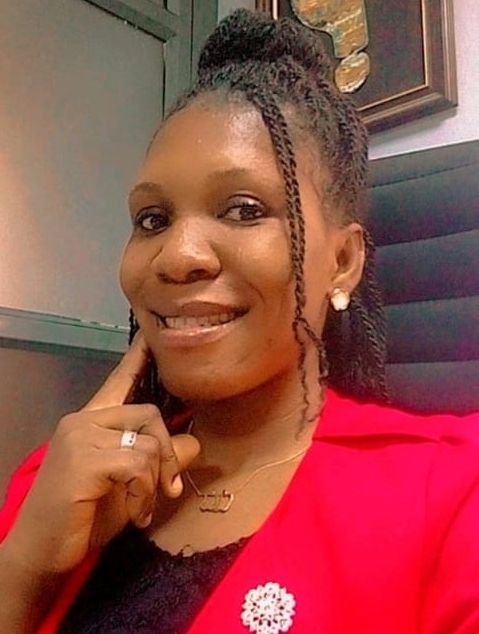
Amina is a PR Practitioner and Associate Member, Nigerian Institute of Public Relations (NIPR).

Comments are closed, but trackbacks and pingbacks are open.