

|
Getting your Trinity Audio player ready...
|
By Anthony Maliki, Abuja
Some Civil Societies Organizations (CSOs), have knocked the Electoral Act 2026 signed into law by President Bola Tinubu describing it imperfect, incomplete leaving dangerous loopholes open and erects new barriers to participation.
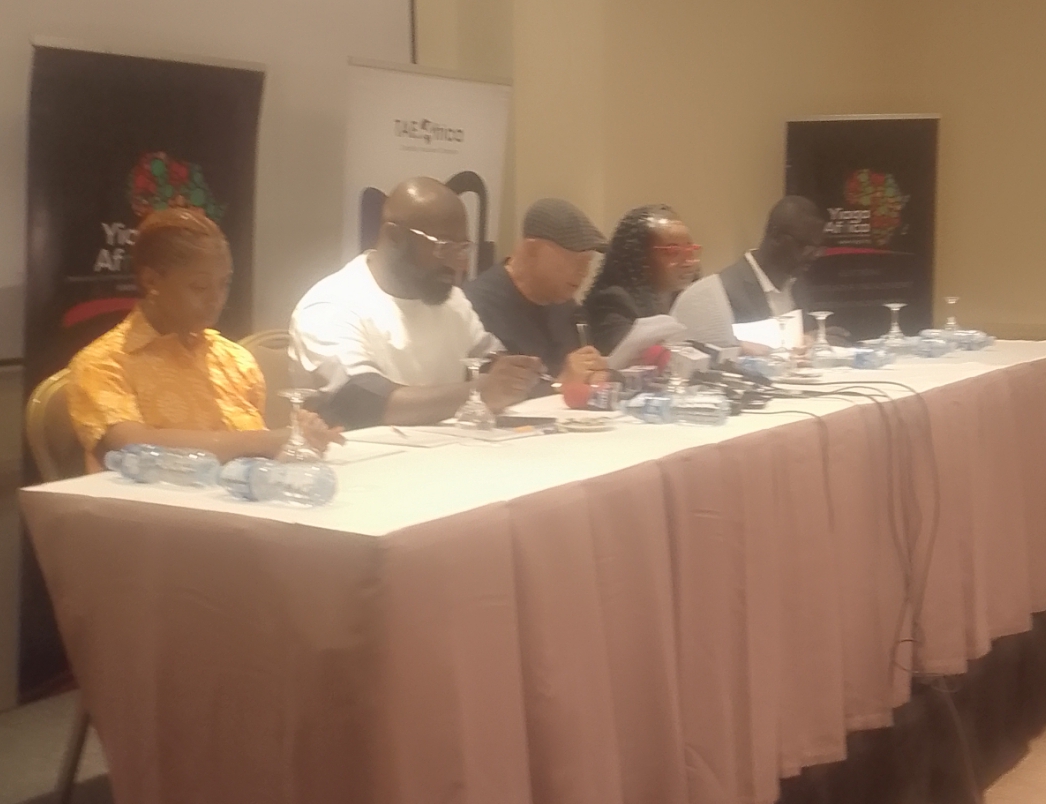
The CSOs made the remarks Thursday at a press conference in Abuja while reacting to the Electoral Law 2026 signed by President Bola Tinubu on Wednesday.
The CSOs are Centre for Media and Society (CEMESO), The Kukah Center, International Press Centre (IPC), ElectHer, Nigerian Women Trust Fund, TAF Africa and Yiaga Africa.
Speaking on behalf of the CSOs, Founder of TAF Africa, Jake Epellle, explained that the law is also the legal framework within which the 2027 elections will be conducted and it is their responsibility as citizens, media, civil society among others to ensure that the elections conducted under this law are credible, transparent, inclusive, and reflective of the will of the Nigerian people.
Epelle noted that some legislators acknowledged publicly that they voted based on assurances from Senate and House leadership rather than their own review of the final legislative language.
He also the organizations cannot ignore the deeply troubling manner in which the legislation was processed and passed.
According to him, the speed, and opacity of process and passing of the bill into law, raise serious concerns about legislative transparency and the commitment of lawmakers to genuine electoral reform.
“We must therefore state clearly and without equivocation: the Electoral Act 2026 that has now been signed into law is a missed opportunity for the transformative electoral reform that Nigeria requires and that Nigerian citizens deserve,” Epelle said.
The CSOs pointed out at a time when public confidence in elections remains fragile, the law should have decisively strengthened transparency, eliminated ambiguities, and deepened safeguards against manipulation, instead, it creates more vulnerabilities in the electoral process.
They frowned at the legislative process explaining that civil society organizations engaged constructively with the National Assembly, submitted detailed citizens’ memoranda, participated in public hearings, and engaged publicly and privately for specific amendments that would have strengthened the integrity, inclusiveness, and accountability of Nigeria’s electoral framework but some of those calls were heeded and many were not.
They condemned Section 75(6) which imposes a ₦50 million administrative fee for new political party registration.
”This is not administrative cost recovery; it is a financial moat designed to exclude grassroots movements, youth-led parties, and non-elite political formations from formal competition. It is anti-democratic and anti-constitutional. Political pluralism is a right, not a privilege reserved for those with access to extraordinary capital,” they noted.
On mode of party primaries, the CSOs said Section 84 restricts parties to only two options for candidate nomination- direct primaries or consensus.
”By removing the option of indirect primaries, which, when properly regulated, can offer a more structured and less chaotic selection process, the Act reduces flexibility and pushes parties,” Epelle stressed.
The CSOs, however, welcomed some provisions of the law. These downloadable Voter Card (Section 18) as allowing downloadable voter card from INEC’s website will increase voter participation and reduce disenfranchisement often associated with missing or unissued voter cards, Disability-Inclusive Voter Registration (Section 9), which for the first time in Nigeria’s electoral history, the voter register is required to be disaggregated by disability type and Enhanced Penalties for Result Falsification (Sections 62, 71), where returning officers who deliberately falsify results now face a mandatory minimum of 10 years’ imprisonment without option of fine and presiding officers who fail to sign result sheets face mandatory 3-year imprisonment.
The Spokesperson of the House of Representatives, Hon. Akin Rotimi, who was present at the press conference said the House is intentional about public engagement on any matter.
He pointed out that though civil societies may not be happy with the speed of the passage of the Electoral Act, due process was followed and acted in the best interest of Nigerians.
Chairmen of Kogi, Akwa Ibom and Plateau states’ Independent Electoral Commission, who are in Abuja to observe Saturday FCT Council elections, were at the press conference as peer partners.

Comments are closed, but trackbacks and pingbacks are open.