

By Sunny A. David, Awka
Leaders of the Hausa and Northern communities in Anambra State have dismissed allegations that former Governor Peter Obi discriminated against northerners or ordered the demolition of a mosque during his tenure.
The community leaders, who spoke with journalists in Awka and Onitsha, described the allegations as untrue and politically motivated, insisting that their relationship with the former Governor remained cordial throughout his administration and after he left office.
They said members of the northern community benefited from several initiatives introduced by Obi while he was Governor, including free education, agricultural loans and sponsorship for Muslims to undertake the annual Hajj pilgrimage.
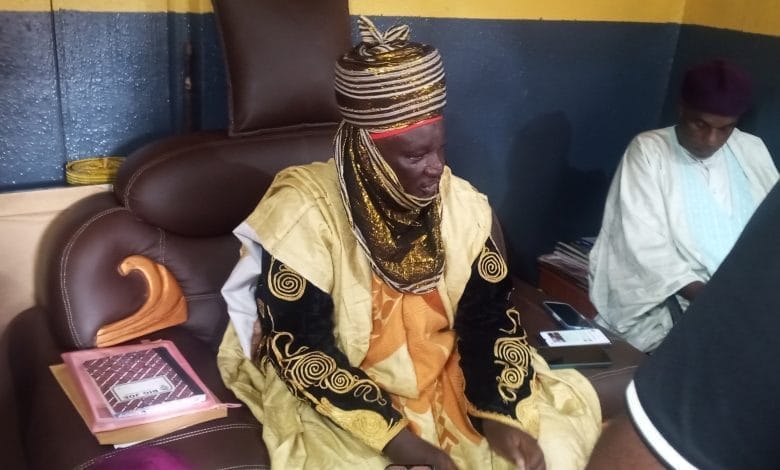
The leaders included the Secretary of the Hausa Community in Onitsha and Secretary of the Northern Community in Anambra and Delta States, Mahmud Ibrahim; the traditional ruler of the Hausa Community in Awka, Alhaji Garba Haruna; and the Chairman of the Northern Community in Anambra State, Alhaji Gidado Sidikki.
Ibrahim said the claim that Obi demolished a mosque belonging to the northern community was false, explaining that the mosque in question was demolished before Obi assumed office as Governor in March 2006.
According to him, the incident occurred during reprisal attacks linked to the Sharia crisis in February 2006.
He said Obi subsequently visited members of the northern community who had taken refuge at an army barracks and later accompanied them back to the mosque site, where he also contributed money towards its reconstruction.
Ibrahim also dismissed claims that Obi forced northerners living in Anambra to obtain identity cards before they could reside in the state.
He explained that the northern community itself decided to issue identification cards to its members, while the Anambra State Identification Number (ANIDS) card was a general state identification initiative applicable to residents, including government officials.
Similarly, Haruna said he never witnessed discrimination against northerners during Obi’s administration.
He said some members of his family benefited from the former governor’s free education programme, while he personally benefited from Hajj sponsorship.
Haruna added that Obi maintained a cordial relationship with the northern community even after leaving office, noting that he continued to attend their functions and send goodwill messages and gifts during Muslim celebrations.
Also speaking, Sidikki said he benefited from an agricultural loan provided under Obi’s administration, recalling that he received N10 million at the time.
He said the former governor’s administration treated beneficiaries fairly and, according to him, even settled the repayment of the agricultural loans on behalf of beneficiaries before leaving office.
Sidikki further disclosed that his son benefited from Obi’s free education programme and is currently pursuing a PhD in China.
He said he had lived in Anambra for about four decades, raised his children there and had five graduates, stressing that his experience had convinced him that the state had treated the northern community fairly.
The northern community leaders said they were surprised by the allegations against Obi and urged the public to disregard what they described as misinformation aimed at damaging his reputation.
They also expressed support for Obi ahead of the 2027 general elections, saying they would mobilise northerners residing in Anambra State to support his political ambition when campaigns commence.
The leaders expressed optimism about Obi’s prospects in the 2027 election, particularly with the possibility of working alongside former Kano State Governor, Rabiu Kwankwaso.
