
IMEDSI raises alarm over Nigerians kured into Russia’s war, seeks President Tinubu’s intervention

A growing pattern of alleged deceptive recruitment of Nigerians into Russia’s war against Ukraine has raised fresh concerns over the safety of citizens seeking employment abroad, with a civil society organisation urging the Federal Government to investigate suspected recruitment networks and account for missing Nigerians
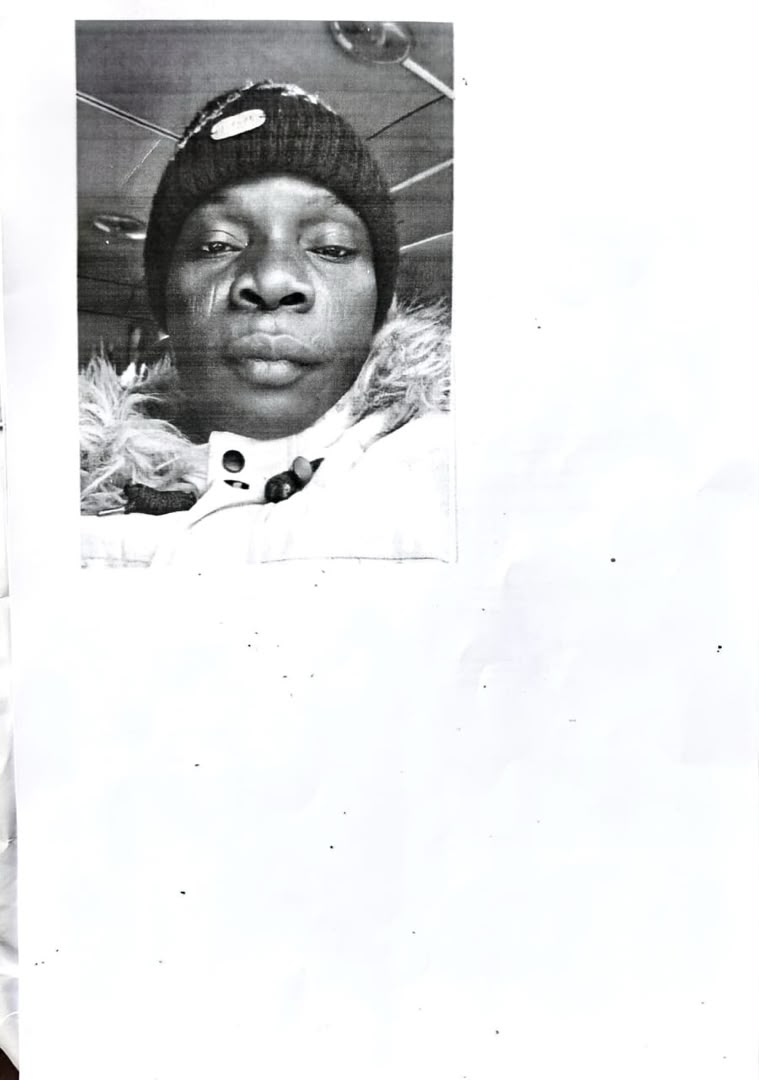
The Initiative for Media Development and Social Impact (IMEDSI) said the case of 42-year-old Ramon Jamiu Babatunde, a father of three who reportedly travelled to Russia for civilian employment but allegedly ended up in military service, underscored the need for urgent diplomatic and law enforcement intervention.
The organisation also called on President Bola Tinubu’s administration to investigate reports that at least 13 Nigerians had died fighting alongside Russian forces, warning that families should not be left to discover the fate of their relatives through unofficial casualty lists and social media reports.
In a statement issued in Abuja on Sunday and signed by Ms Onose Oseyi, IMEDSI alleged that Babatunde left his wife and three children in Ibadan, Oyo State, in October 2025 after being recruited through a travel intermediary for what his family understood to be civilian employment.
However, documents reportedly reviewed by the organisation indicated that he signed a one-year military contract with the Russian Ministry of Defence on October 17, 2025, shortly after arriving in the country.
His family reportedly lost contact with him on November 27, 2025, with no reliable information about his whereabouts or condition since then.
IMEDSI said the circumstances surrounding his alleged enlistment raised questions about the use of employment opportunities as a possible channel for recruiting economically vulnerable Africans into foreign military operations.
According to the organisation, Babatunde travelled on a single-entry Russian tourist visa issued on September 30, 2025, and valid between October 5, 2025, and January 2, 2026.
It said the purported military contract contained provisions indicating that he would be assigned to an assault unit, while refusal to sign could attract police detention, prolonged deportation proceedings, permanent exclusion from Russia and repayment of travel expenses.
Although the document reportedly described the enlistment as voluntary, IMEDSI argued that the consequences allegedly attached to refusal raised serious doubts about whether the recruit had freely consented.
The organisation, however, acknowledged that it had not independently authenticated the documents or established the full circumstances of Babatunde’s alleged recruitment.
“A military contract signed under the threat of detention, deportation and financial penalties cannot simply be accepted at face value as evidence of free consent,” it said.
IMEDSI disclosed that Babatunde’s wife, Mrs Adewunmi Suliat Ramon, had petitioned the Minister of Foreign Affairs on May 9, 2026, seeking government assistance in establishing whether her husband was still in Russian military service, had been injured, was being held as a prisoner of war or had died.
It urged the Ministry of Foreign Affairs to immediately engage Nigeria’s diplomatic mission in Moscow and appoint a consular officer to liaise with Russian authorities over his whereabouts and welfare.
The organisation said the reported deaths of 13 Nigerians fighting for Russia further demonstrated the need for an official government investigation and a credible national record of citizens allegedly recruited into the conflict.
The names contained in materials reviewed by the group included Hamzat Kazeem Kolawole, Mbah Stephen Udoka, Ayebusiwa Olabode Victor, Adam Anas, Akinlawon Tunde Quyuum, Abugu Stanley Onyeka and Balogun Ridwan Adisa.
Others were Adekunle Adaramola, Abdoulaye Issaka Ismael, Agbo Moses Omale, Adamu Abdulai Ismail, Fajobi Taiwo Omoniyi and an individual identified only as Mikael.
It stressed that the identities, nationalities, military affiliations and reported deaths of those listed had yet to be independently verified.
The group also cited an Amnesty International investigation published on September 10, 2026, which reportedly documented cases of foreign nationals being drawn into Russian military service through misleading employment promises and coercive arrangements.
It referenced findings attributed to INPACT/All Eyes on Wagner, which reportedly identified 1,417 African nationals from 35 countries recruited into Russian forces between 2023 and mid-2025, including 316 recorded fatalities, while acknowledging limitations in the database.
It further cited claims attributed to Ukrainian military intelligence in May 2026 that at least 215 Nigerians had signed Russian military contracts, with at least 25 reportedly dead or missing.
IMEDSI cautioned that figures released by parties to the Russia-Ukraine conflict required independent verification and should not be treated as definitive casualty records.
Beyond the diplomatic intervention, the organisation called on the National Agency for the Prohibition of Trafficking in Persons, Nigeria Immigration Service and Nigeria Police Force to investigate travel agencies, employment intermediaries and other suspected networks allegedly facilitating the recruitment of Nigerians under misleading circumstances.
It said Nigerians who might have been recruited through deception or coercion should be treated as potential victims of trafficking and given appropriate protection, while those found responsible for exploitation should be prosecuted.
The group also urged Nigeria to seek information from relevant Ukrainian authorities and the International Committee of the Red Cross to determine whether affected citizens were among those captured, injured, receiving medical treatment or held as prisoners of war.
It called for wider coordination through the African Union and ECOWAS to strengthen intelligence-sharing, diplomatic engagement and measures to protect Africans from deceptive overseas employment schemes.
IMEDSI maintained that the issue was not about Nigeria taking sides in the Russia-Ukraine war but about protecting its citizens from exploitation and ensuring that their rights were respected regardless of where they were recruited or deployed.
It warned that government advisories against Nigerians joining foreign military conflicts would have limited impact without investigations into recruitment channels and stronger consular protection for citizens abroad.
“A travel warning is necessary, but a warning alone cannot locate a missing citizen, rescue an exploited worker or provide answers to a grieving family,” it said.
The organisation urged the Tinubu administration to treat Babatunde’s disappearance as an urgent humanitarian and diplomatic matter, insisting that his wife and children deserved official information about his fate.
It said every lawful effort should be made to secure his safety and return if he was alive, while his family should be formally informed and supported if his death was established.
