
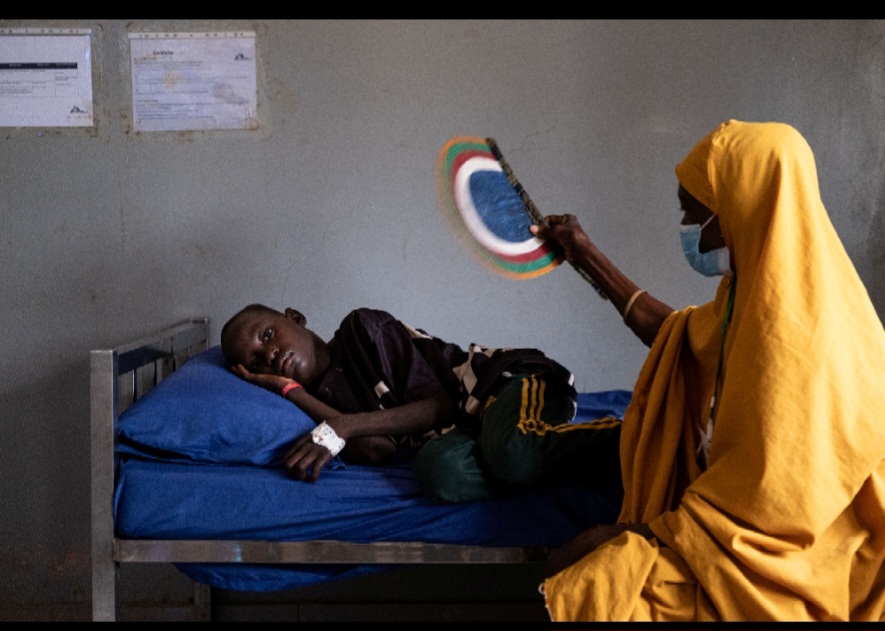
MSF warns shortage of diphtheria treatment, vaccination gaps put thousands of children at risk

Médecins Sans Frontières (MSF) warns that shortages of diphtheria antitoxin (DAT) — the critical drug for treating diphtheria — together with low immunisation coverage, are fuelling transmission and undermining efforts to control the outbreak in northern Nigeria, putting thousands of children at risk of severe illness and death.
To save lives and help contain the outbreak, MSF urges federal and state authorities, donors, and international partners to urgently secure existing supplies of diphtheria antitoxin, vaccines, and other essential medicines, and to ensure their timely clearance at ports of entry and rapid distribution across affected areas in northern Nigeria
“The global shortage of diphtheria antitoxin is becoming a matter of life and death. Our stocks are dangerously low, and we risk being unable to treat children and save lives as the outbreak continues,” says Dr David Kizito, MSF Medical Coordinator in Nigeria
“Diphtheria is a preventable disease, yet children continue to arrive at health facilities with life-threatening complications because they are not fully vaccinated or cannot access care in time.”
Diphtheria antitoxin is the only specific treatment that neutralises the toxin produced by the disease. It is included in the WHO Model List of Essential Medicines, yet despite its importance, global availability remains dangerously inconsistent. DAT is most effective when administered within 48 hours of symptom onset, but MSF teams repeatedly face situations in which stocks are insufficient or unavailable, compromising patient outcomes and forcing medical teams to ration treatment.
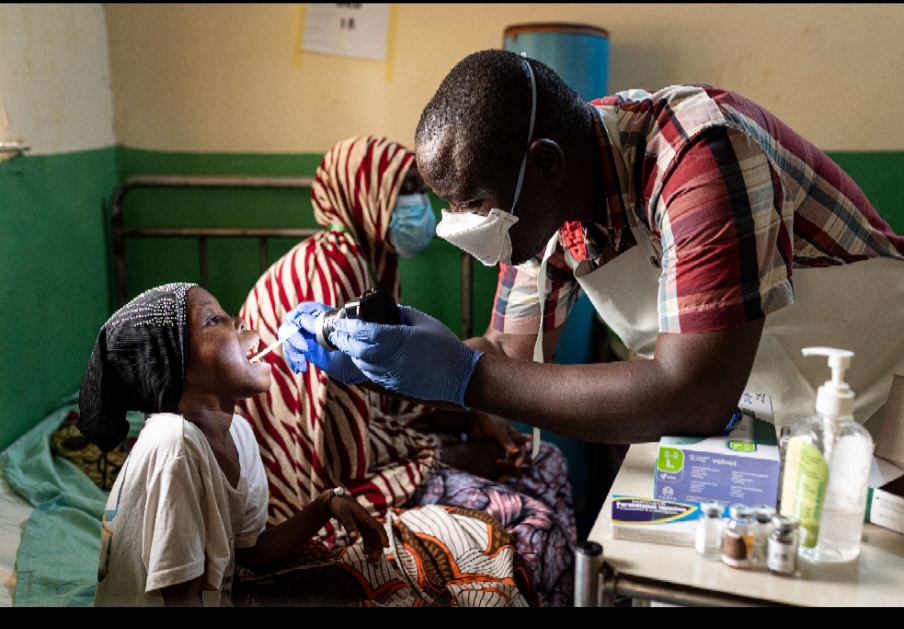
Nigeria has faced a major diphtheria outbreak since late 2022. Since the outbreak began, the cumulative toll has exceeded 41,000 suspected cases, more than 24,000 confirmed infections and over 1,260 deaths nationwide. Northern states including Bauchi, Borno, Kaduna, Katsina, Kano, Plateau, Sokoto, and Zamfara, remain particularly affected, and many areas have seen recent spikes in cases. In 2026 alone, as of 9 August, Nigeria had recorded 12,977 suspected cases, 10,476 confirmed infections and 406 deaths.
MSF has been supporting state health authorities through patient treatment, infection prevention and control, surveillance, community engagement, health promotion, referral systems, vaccination support and the provision of medical supplies. In Kano, Sokoto, and Zamfara states, MSF teams are treating patients and supporting isolation and treatment facilities, while additional support is being provided in Bauchi, Katsina, and Kebbi states.
Since the start of its response this year, MSF has treated over 9,000 diphtheria patients through facility and community-based care and scaled up emergency activities in high-incidence areas. In partnership with the Kano State Ministry of Health, MSF also supported a two-round vaccination campaign in April and June, administering more than 835,000 vaccine doses to children across Kano State.
Following Zamfara State’s outbreak declaration in September, MSF-supported facilities in Gusau recorded over 671 admissions in a month from 6 October. Most of those admitted were children, and four out of every five patients had not been vaccinated. In Sokoto state, MSF also supported two vaccination rounds between February and April, reaching 49,018 children under 15 years.
Routine vaccination remains critical to preventing diphtheria, but coverage in northern Nigeria, particularly in rural areas, remains low. In Zamfara State, only 25,000 of the 90,000 vaccine doses needed for a reactive campaign have been supplied, leaving around three out of four children unreached. MSF is working with government health authorities to secure additional doses and implement a large-scale vaccination campaign.
“We were very worried when our first child became sick because we knew very little about diphtheria at the time,” says Shafa’atu, a mother whose three children were treated for diphtheria at the MSF-supported hospital in Sokoto.
“My child struggled to eat, and whenever he ate, he vomited. Diphtheria is a dangerous disease.”
Sustained, long-term investment in routine immunisation is important to build community immunity and prevent future outbreaks. At the same time, manufacturers and global health partners must urgently expand production of diphtheria antitoxin and ensure a reliable supply to meet critical treatment needs in Nigeria and other countries facing rising case numbers.
