

By Ahmed Ali, Kafanchan
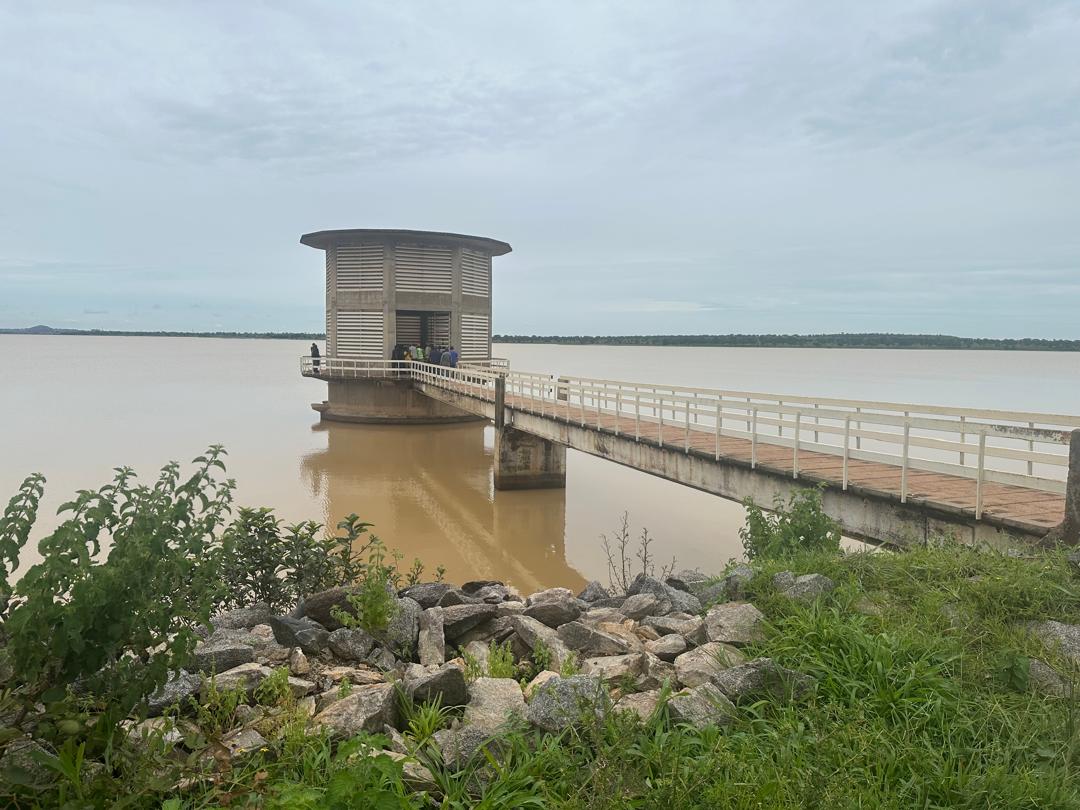
The Kaduna State Project Coordinator of the Sustainable Power and Irrigation for Nigeria (SPiN) Project, Engr. Hashimu Usman Ja’afaru, has assured residents and communities around Kangimi Dam that the facility is structurally safe and stable.
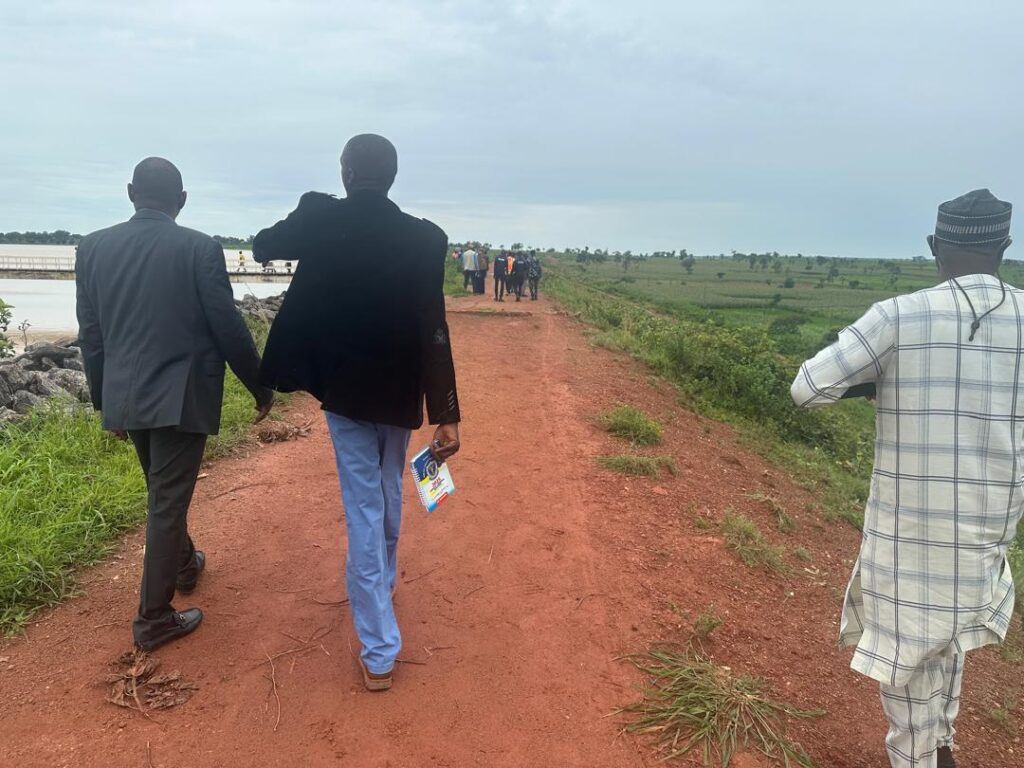
Ja’afaru gave the assurance shortly after leading a Dam Safety Review Panel of Experts from the National Coordinating Office of the SPiN Project on an inspection tour of the dam in Kaduna.
The assessment team visited the facility to independently evaluate its current condition, identify potential safety risks and make recommendations that would guide the planning and implementation of dam safety rehabilitation measures under the project.
Speaking with journalists after the inspection, Ja’afaru said the exercise was part of efforts to ascertain the safety and structural integrity of the dam and identify areas that may require rehabilitation or further intervention.
“We are here today with a team of specialists in dam assessment and experts from the World Bank to assess the safety of the dam,” he said.
According to him, preliminary findings from the assessment indicated that the dam was stable and in good condition.
“The survey shows that the dam is stable and in good shape. In fact, the dam is in better and stronger condition than some other dams in other states,” he said.
The project coordinator assured residents and communities around the dam that its main structure remained in good condition, urging them not to entertain fears over its safety.
The inspection formed part of the periodic Dam Safety Review (DSR) being undertaken under the SPiN Project, with the team comprising dam safety specialists, engineers and other technical personnel, including experts associated with the World Bank.
Ja’afaru said the SPiN Project was designed to improve water management, strengthen irrigation systems and enhance the safety and sustainability of dams across the country.
He said effective water management and safe irrigation infrastructure were critical to improving agricultural productivity and supporting communities whose livelihoods depend on water resources.
Meanwhile, farmers and residents of communities around Kangimi Dam have expressed optimism over the intervention and its potential impact on agriculture and livelihoods in the area.
Some residents said they hoped improved irrigation infrastructure and water management would boost farming activities and contribute to the socio-economic development of surrounding communities.
Science journalists and environmental reporters who accompanied the technical team during the assessment also expressed satisfaction with the condition of the dam.
They urged members of the public to disregard unverified rumours about the structural integrity of Kangimi Dam, stressing that concerns over critical infrastructure should be guided by professional assessments and credible technical findings.
The assessment is expected to provide further technical guidance for the continued safe operation and maintenance of the dam, as well as identify areas requiring possible rehabilitation.
