
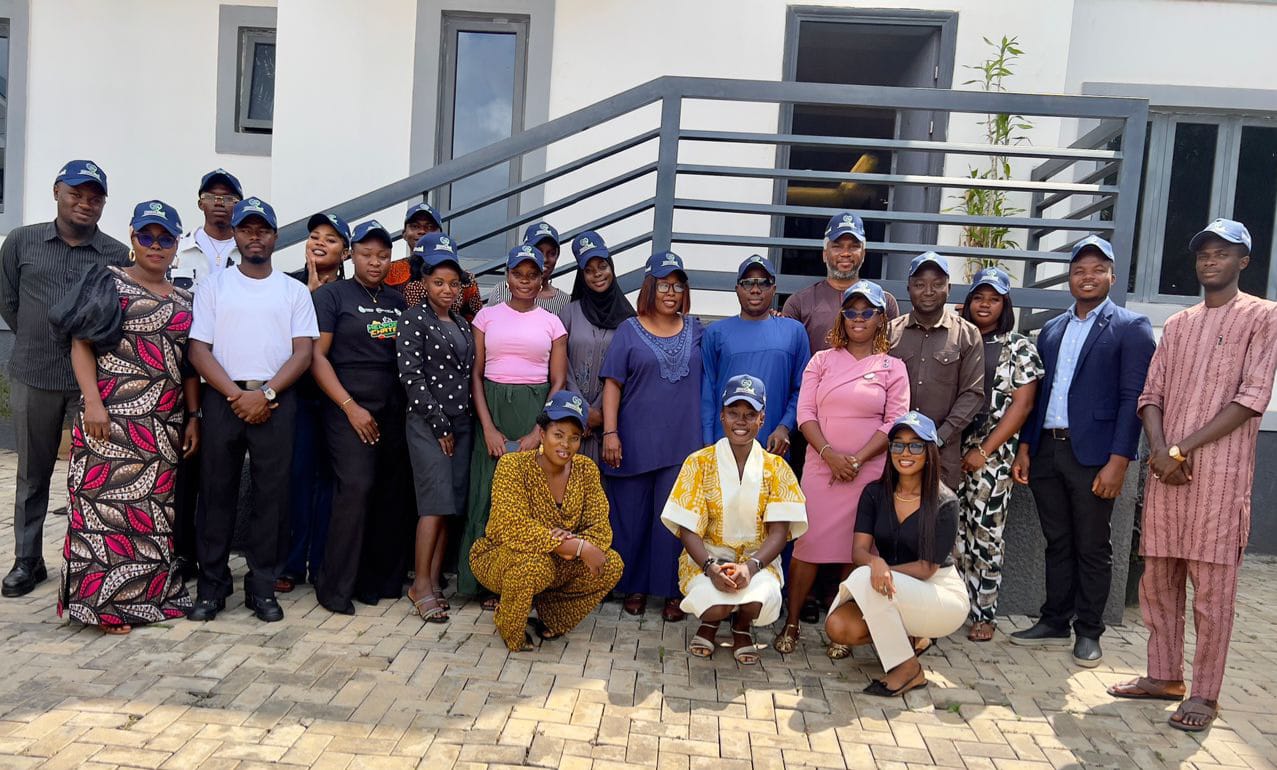

The stakeholders, who spoke at the first roundtable meeting of Project Kampe Bodi in Abuja, demanded the establishment of disability help desks equipped with assistive technology, accessible telemedicine services and stronger enforcement of the Patients’ Bill of Rights.
They said the barriers confronting vulnerable patients were not merely issues of convenience but impediments to their ability to obtain timely, dignified and quality healthcare.
The meeting, organised by Project Kampe Bodi in partnership with the Centre for Fiscal Transparency and Public Integrity (CEFTPI), brought together more than 30 participants, including healthcare workers, persons with disabilities, patient advocacy groups and community representatives.
The participants examined gaps in service delivery and the measures required to ensure that healthcare reforms respond to the realities of patients who are often excluded from decisions affecting their access to care.
Founder and Board Member of FACICP Disability Plus, Mrs Ekaete Umoh, said disability inclusion would remain ineffective unless hospitals translated policies into practical services.
“We must move from policy to practice by making hospitals truly accessible for persons with disabilities,” Umoh said.
Her call underscored the need for public hospitals to move beyond formal commitments to inclusion by providing appropriate facilities, assistive equipment and support systems that enable persons with disabilities to navigate healthcare services independently and with dignity.
Project Kampe Bodi Coordinator, Princess Chifiero, said the concerns of vulnerable groups must be incorporated into healthcare reform decisions rather than treated as an afterthought.
“This roundtable ensures that the voices of vulnerable groups are not only heard but acted upon in shaping healthcare reforms,” Chifiero said.
The stakeholders recommended the creation of dedicated disability help desks in government hospitals to provide guidance, facilitate communication and connect patients with appropriate services. They also called for assistive technology to support patients with different disabilities.
Accessible telemedicine was identified as another avenue for reducing barriers to healthcare, particularly for patients who face difficulties travelling to or navigating public hospitals.
Participants further advocated regular training for healthcare workers on inclusive care, saying improved communication and a better understanding of disability-related needs were essential to preventing discrimination and ensuring equitable treatment.
They also recommended the mobilisation of youth health champions to promote awareness, accountability and patient-centred healthcare within communities.
The meeting placed renewed emphasis on the need for stronger enforcement of the Patients’ Bill of Rights, which provides a framework for protecting patients’ dignity, privacy, access to information and quality healthcare.
Project Kampe Bodi, a student-led initiative of the School of Politics, Policy and Governance (SPPG), said it would continue to promote accountability and quality healthcare services, while encouraging stakeholders to translate the roundtable’s recommendations into practical action.
