

The people of Obeagwe community in Ogbaru Local Government Area of Anambra State have celebrated their annual Ulo Festival, an indigenous cultural event that marks the end of the farming season and serves as a period of thanksgiving, communal bonding and preservation of heritage.
The festival, which attracted residents, visitors and indigenes of the community, featured traditional performances, prayers, masquerade displays and other cultural activities.
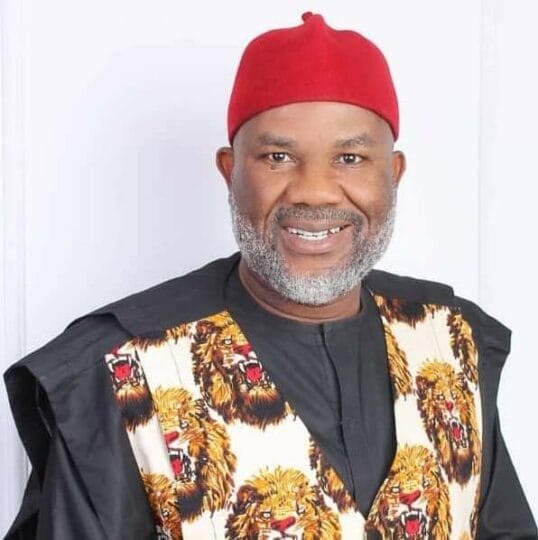
The lawmaker representing Ogbaru Federal Constituency, Rt. Hon. Victor Afam Ogene, popularly known by his traditional title, Akunnia, also participated actively in the celebration.
For the people of Obeagwe, Ulo is regarded as more than a festive occasion. It is a cultural institution through which the community celebrates its agricultural heritage, seeks blessings for future harvests and passes traditional values from one generation to another.
Obeagwe, Ogene’s ancestral home, comprises nine villages which, according to community members, maintain a strong sense of unity and communal identity.
A major attraction at this year’s festival was the appearance of the Onoli masquerade, an ancestral masquerade that, according to the community, emerges only once every two years.
Its appearance generated excitement among residents and visitors, with youths and elders joining in the celebration as the masquerade performed to the accompaniment of traditional drums.
The festival also provided an opportunity for the community to showcase its indigenous hospitality. Beanyi, a locally distilled dry gin, was shared among participants as part of the traditional celebration.
Men also appeared in traditional attire, including loincloths, as part of the community’s display of cultural identity.
Speaking during the festival, Ogene said indigenous festivals should not be dismissed as fetish practices, arguing that they provide opportunities for younger generations to understand their history, roots and cultural values.
«“It is wrong to describe our indigenous festivals as fetish. These are unique platforms for teaching our people, especially the young, their roots, their history and their values,” he said.»
His participation in the celebration was welcomed by members of the community, who described his presence as evidence of his connection with his ancestral home.
An elder, Pa Eke, said Ogene’s participation demonstrated that he remained connected to the people despite his responsibilities as a federal lawmaker.
“He is one of us. When he comes here, he doesn’t come as a big man from Abuja. He comes home,” the elder said.
A youth identified as Oduah also said the lawmaker’s involvement in the festival encouraged younger members of the community to value their cultural heritage.
“He dances with us, laughs with us and gives us confidence that our culture still matters,” he said.
Ogene expressed optimism that the Ulo Festival in Obeagwe could eventually gain wider recognition beyond the community and attract international attention.
He described the festival as a living classroom where the history, identity and values of the people could be preserved and transferred to future generations.
The celebration ultimately underscored the community’s determination to preserve its cultural traditions while embracing modern life.
For the people of Obeagwe, the Ulo Festival remains not merely an annual gathering, but an expression of identity, history, communal unity and continuity.
