

Indigenous youth organisations in Plateau State have defended the Department of State Services (DSS), the Mobile Police Force and Operation Rainbow against allegations of bias and misconduct, urging the Federal Government to sustain joint security operations and investigate claims of compromise within the security architecture.
The coalition accused groups representing Fulani interests of using petitions and social media campaigns to discredit security agencies following operations against armed militants in the state.
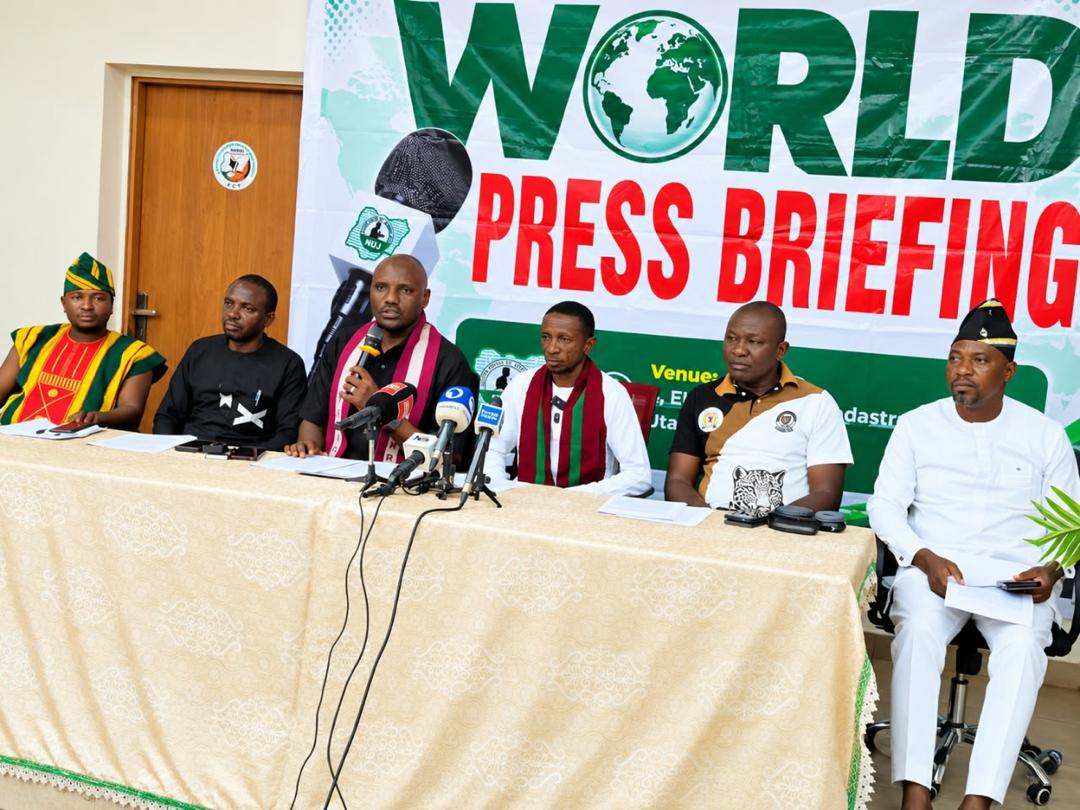
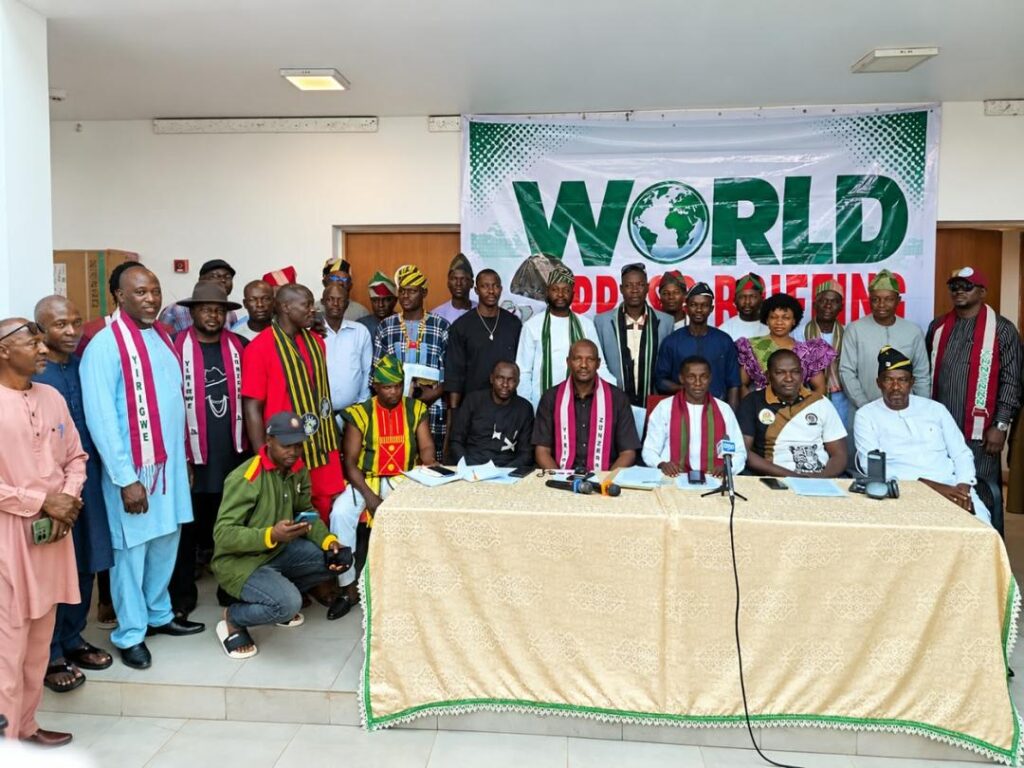
Addressing a press conference at the Nigeria Union of Journalists (NUJ), FCT Council, on Wednesday, the President of the Berom Youths Moulder-Association and Coordinator of Indigenous Youth Nationalities, Northern Zone, Dalyop Solomon Mwantiri, said the allegations risked undermining ongoing efforts to restore peace to violence-ravaged communities.
The coalition’s position followed a petition dated October 5, 2026, reportedly signed by Mujahid Abdullahi on behalf of the Plateau chapters of the Miyetti Allah Cattle Breeders Association of Nigeria (MACBAN), Gan Allah Fulani Development Association of Nigeria (GAFDAN), Fulbe Youth Development Association (FUYODA) and other organisations.
The petitioners allegedly accused the DSS of discriminatory operations against Fulani communities and blamed the agency for killings, abductions, cattle rustling and the poisoning and shooting of cattle.
A video circulated on Facebook and other social media platforms reportedly made similar allegations while portraying the Nigerian Army as the only security agency working in the interest of peace in Plateau.
But the indigenous youth coalition dismissed the claims as an attempt to distort the security situation and pressure authorities into undermining operations against armed groups.
Mwantiri said the campaigns appeared designed to intimidate the Plateau State Director of the DSS, Paul Damian; discredit the operations of the DSS, Mobile Police Force and Operation Rainbow; disrupt joint operations involving local security volunteers; discourage intelligence sharing; and portray the Army as the only effective security agency in the state.
The coalition maintained that the joint operations had exposed what it described as a pattern of armed militants attacking and occupying communities while cattle were allegedly grazed alongside them.
It claimed that at least 152 hamlets, villages and communities had suffered attacks, although it did not provide supporting documentation for the figure at the briefing.
The youth leaders also rejected allegations that Damian and the DSS were involved in killings and cattle rustling. They argued that cattle intercepted while grazing on farmlands were being held pending the identification of their owners and the alleged perpetrators.
To reinforce their argument, the coalition cited several attacks on security personnel and communities, which it attributed to Fulani militants.
It alleged that a newly deployed DSS base at Nding Sesut, Fan District, in Barkin Ladi Local Government Area, was attacked on June 1, 2026.
The group also cited an August 23 attack on Tanjol and Tarai villages in Jol community, alleging that more than 400 militants assaulted the settlements, ambushed and killed two DSS officers, seized their rifles and retreated towards Rankum in the Mahanga area of Riyom Local Government Area.
It further alleged that Mobile Police Force personnel were killed in attacks on Dares and Kwi villages in Bokkos and Riyom local government areas about two weeks before the briefing.
The coalition also claimed that the Operations Officer of Operation Rainbow, DSP David Babale, was ambushed and killed near a military checkpoint around Rakok village, on the outskirts of Barkin Ladi, while similar incidents had occurred at Kantoma and Alohgom in Mangu Local Government Area.
The allegations were not independently verified at the briefing, and the petitioning organisations’ responses were not included in the coalition’s presentation.
In a further allegation, the youth leaders claimed that sponsors of the armed groups were raising N20 million to finance media campaigns, court cases and petitions aimed at frustrating the security crackdown.
They called on the Federal Government to investigate the alleged funding and any suspected attempts to compromise security operations, including allegations of unprofessional conduct and collusion involving some Army personnel.
The coalition, which comprises youth organisations representing Afizere, Anaguta, Atakar, Atten, Bache, Berom, Gamai, Irigwe, Kunlere, Mushere, Mwaghavul, Ron, Pan, Tarok and other ethnic groups, warned against withdrawing the DSS, Mobile Police Force and Operation Rainbow from Plateau State.
It argued that removing the agencies while attacks and displacement persisted could weaken ongoing operations and embolden armed groups.
The youth leaders appealed to President Bola Tinubu and other Federal Government authorities not to be swayed by allegations they considered politically motivated, while insisting that genuine complaints against security personnel should be investigated.
“We smell a rat,” the coalition said, describing the petition and video as “ploys and strategies of distraction”.
It urged authorities to encourage cooperation among security agencies rather than allow public disputes to undermine intelligence sharing and joint operations.
The statement was jointly signed by Amb. Ezekiel Peter Bini, President of the Irigwe Youths Movement and Chairman of the Coalition; Mwantiri; Amb. Miri Timnan Nyantau, President of the Tarok Progressive Youths Association and Coordinator, Southern Zone; and Jonathan Kyesmang Yusuf, President of the Mwaghavul Youth Movement and Coordinator, Central Zone.
The dispute underscores the competing allegations surrounding the security response to persistent violence in Plateau State, where attacks on communities and security personnel have intensified calls for accountability, effective intelligence coordination and a sustainable approach to civilian protection.
While the coalition maintained that the security agencies should be allowed to continue their operations, the allegations against both security personnel and the groups involved require independent investigation to establish the facts and ensure that accountability is not sacrificed in the pursuit of peace.
