

By Ahmed Ali, Kafanchan
The German Embassy in Nigeria and the Interfaith Mediation Centre (IMC), Kaduna, have called for greater participation of women in peacebuilding, human rights protection and governance, as a nine-month project aimed at promoting peaceful coexistence and democratic stability across Kaduna State’s three zones concludes.
The call was made at a Human Rights Policy Advocacy Summit marking the conclusion of the project, titled Strengthening Women Interfaith Leadership for Human Rights Protection, Transitional Justice and Promoting Democratic Stability Across the Three Zones of Kaduna State.
The project, funded by the German Embassy in Abuja and implemented by the IMC, was designed to strengthen women’s leadership, improve access to justice and promote peaceful coexistence among diverse communities.
Speaking at the summit, the Project Coordinator of the IMC, Mr Samson Auta, said the initiative had helped build friendships and strengthen relationships among participants from different parts of Kaduna State.
Auta said the German Embassy had funded about seven projects implemented by the centre across different regions, including the North-Central, North-East and North-West.
He described the support as a privilege to demonstrate the friendship and goodwill of the German people towards Nigeria, particularly Kaduna State.
According to him, the project has fostered meaningful relationships among participants from the northern, central and southern parts of the state, with beneficiaries continuing to engage with one another beyond the programme.
He cited recent social interactions and celebrations involving participants as evidence of growing trust and cooperation across communities.
“We have gone beyond what we used to be. We have gone beyond all those intolerance to become one unit that will continue to promote humanity and the rights of people around us,” he said.
Auta explained that the project had also strengthened the capacity of community members to resolve disputes through dialogue and mediation rather than immediately resorting to formal security institutions.
He said participants had acquired skills to address issues that could otherwise escalate into violence or conflict.
The coordinator also acknowledged the contributions of persons with disabilities, noting that their participation had broadened the understanding of their potential role in promoting peace and social inclusion.
He urged stakeholders to sustain the relationships and capacities developed through the initiative, particularly as the state approaches the 16 Days of Activism against Gender-Based Violence.
Auta stressed that lasting peace and democratic stability required the protection of women and vulnerable groups and the translation of advocacy into practical action.
Germany seeks sustainability of project
In his remarks, the Deputy Ambassador of Germany to Nigeria, Johannes Lehne, said the project had strengthened human rights education, access to justice and peaceful coexistence in Kaduna State.
Lehne, who conveyed the greetings of the German Ambassador, Stefan Rössel, said the intervention established local human rights hubs and provided training on basic human rights, tolerance, peaceful coexistence, mediation and restorative justice.
The project also helped communities identify and respond to potential conflicts early and strengthened their links with existing institutions and mechanisms in the state.
Lehne said Germany supported the initiative because of its engagement with religious leaders and its focus on women’s leadership.
“We are convinced that religion is something that should unite us, and not divide us,” he said.
He added that lasting peace could only be achieved when women were empowered and protected, describing them as central to families and communities.
The deputy ambassador commended the Kaduna State Government, traditional and religious leaders, community members and the IMC for their contributions to the project.
He particularly acknowledged the women participants, noting that building trust, supporting neighbours and resolving conflicts required patience and courage.
Lehne said the German Embassy was exploring the possibility of a second phase of the project in the coming year, adding that feedback from participants would help shape future interventions.
He urged stakeholders to sustain the relationships and skills developed through the project, stressing that peace endured when rights were protected, justice was accessible and women had a meaningful voice in decisions affecting their communities.
Governor commends interfaith initiative
Representing Governor Uba Sani, Tahir U. Tahir commended the German Embassy and the IMC for implementing the project, describing its focus on women and peaceful coexistence as timely and important.
He said the project aligned with the teachings of both Islam and Christianity on the importance of women in society.
The representative urged participants to put the knowledge and skills acquired during the project into practice to strengthen peace and peaceful coexistence across the state.
He also highlighted the administration’s commitment to inclusive governance and development, saying the state had made progress in promoting peaceful coexistence.
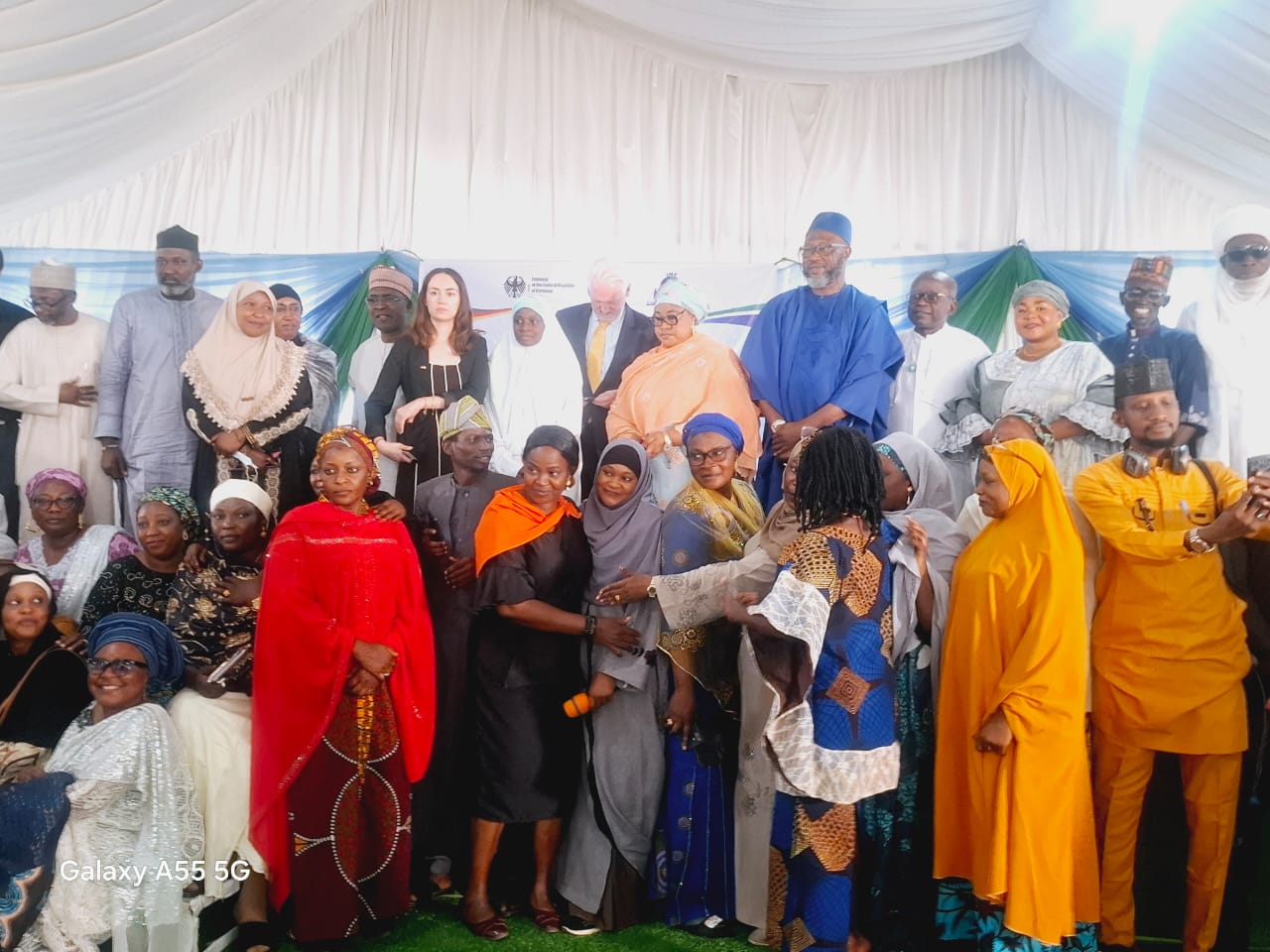
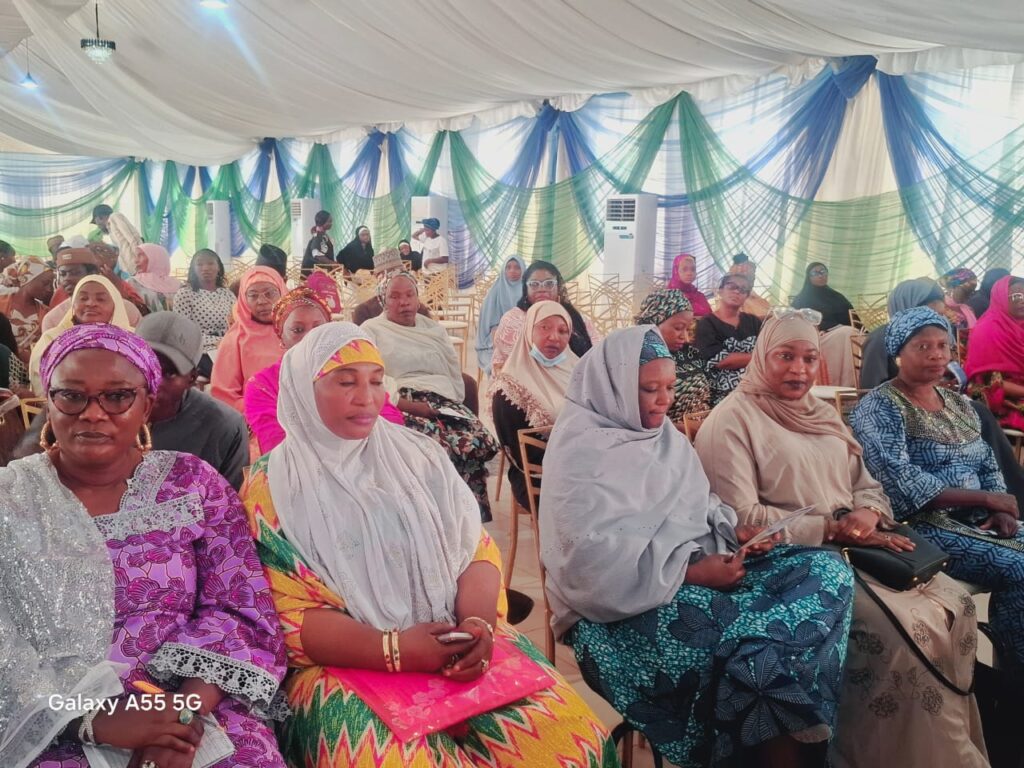
The summit brought together government officials, traditional and religious leaders, women interfaith leaders, community representatives and other stakeholders to assess the project’s achievements and discuss ways to sustain its impact.
The initiative is part of broader efforts to strengthen community-based mechanisms for human rights protection, conflict prevention and democratic stability in Kaduna State.
