

As Nigeria and other African countries continue to grapple with the burden of sickle cell disease, St. George’s University (SGU), Grenada, has highlighted the need to move beyond genotype awareness to early diagnosis, accessible treatment and sustained support for patients.
The university said that while genotype testing remained essential in identifying inherited risks, particularly among couples planning to start families, improved outcomes for people living with sickle cell disease required stronger health systems, trained medical personnel and access to evidence-based care.
According to the World Health Organisation (WHO), an estimated 7.74 million people were living with sickle cell disease worldwide in 2021, while approximately 515,000 babies were born with the condition that year.
Nearly 80 per cent of the births occurred in sub-Saharan Africa, underscoring the disproportionate burden borne by the region and the urgency of strengthening prevention, diagnosis and treatment services.
Sickle cell disease is an inherited blood disorder affecting haemoglobin, the protein in red blood cells responsible for carrying oxygen around the body. The condition can cause chronic anaemia, severe pain episodes, infections, stroke and damage to vital organs.
Although the disease is lifelong, timely diagnosis and appropriate medical intervention can significantly reduce complications and improve patients’ quality of life.
In Nigeria, where genotype awareness is relatively widespread, health advocates have consistently emphasised the importance of understanding haemoglobin test results and obtaining professional guidance before making reproductive decisions.

The commonly recognised haemoglobin classifications include AA, AS and SS, although other variants, including SC, can also cause sickle cell disease.
People with sickle cell trait (AS) generally do not have the disease but can transmit the gene to their children. Where both parents carry the trait, each pregnancy carries a 25 per cent chance of producing a child with sickle cell disease.
Health professionals, however, caution that genotype awareness must be accompanied by proper counselling, early screening and access to medical services, rather than stigma or pressure on individuals and couples.
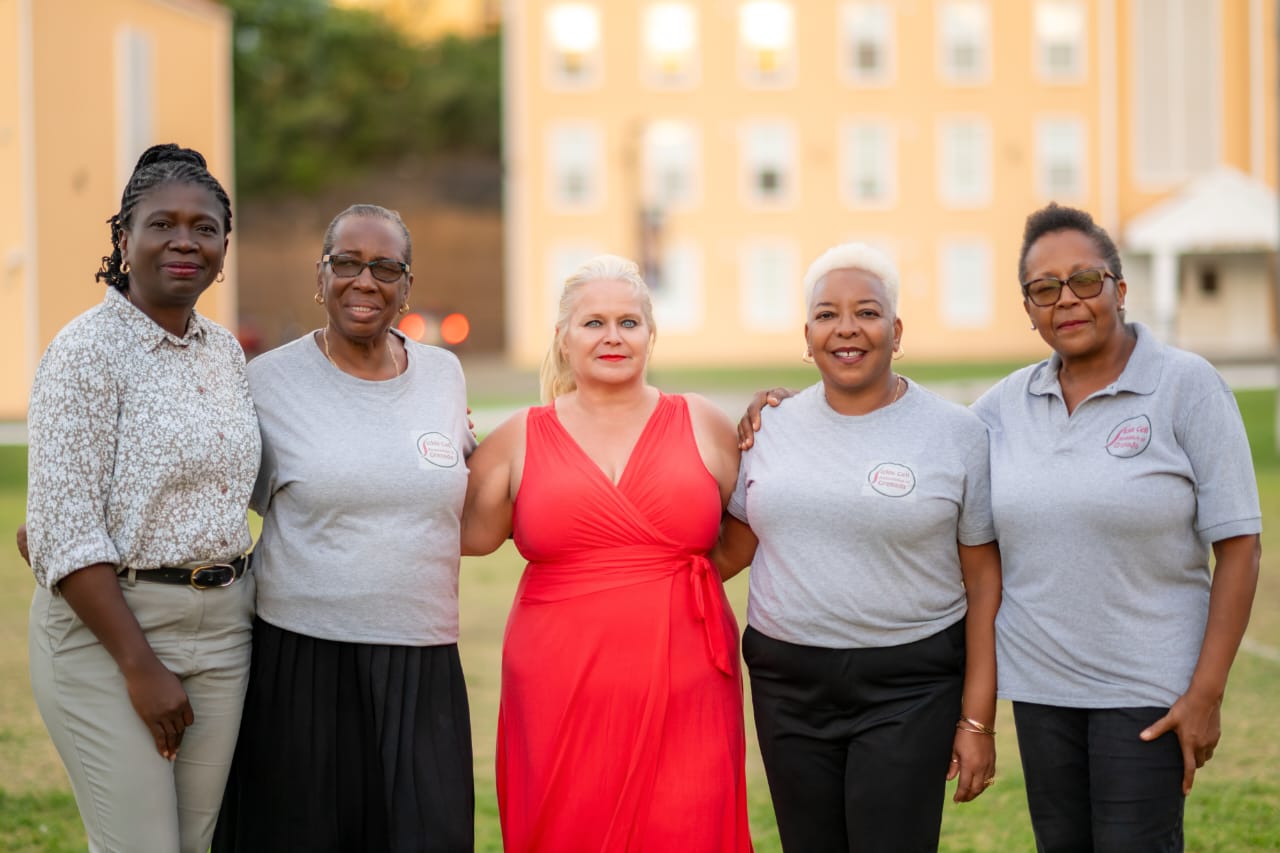
Against this background, SGU is supporting efforts to strengthen sickle cell care in Grenada through an initiative led by Dr Mary Maj, Professor and Deputy Chair of the Department of Biochemistry at the university, in collaboration with the Sickle Cell Association of Grenada.
The initiative involves the development of a Sickle Cell Medical ID Care Card designed to provide healthcare professionals with quick access to essential patient information and treatment guidance during sickle cell crises.
The project is being developed in partnership with local healthcare stakeholders, building on the longstanding advocacy and patient-support activities of the Sickle Cell Association of Grenada.
SGU students are also contributing by researching best-practice treatment guidelines and developing educational resources aimed at improving public awareness and supporting better patient care.
The university explained that the proposed card would contain essential information, including a patient’s diagnosis, treating physician and initial management recommendations, helping medical personnel make timely decisions, particularly in busy casualty departments and clinics.
Dr Maj said the initiative was designed to address the challenges healthcare professionals and families often encounter during emergencies involving sickle cell patients.
“A sickle cell crisis can escalate quickly, and timely treatment is essential,” she said.
She noted that healthcare professionals in Grenada worked tirelessly to care for patients, often under pressure in busy emergency departments and clinics, where immediate access to relevant medical information could make a significant difference.
According to her, the Care Card would bring important patient information and initial management recommendations together in one accessible place, facilitating communication and supporting timely clinical decisions.
She added that the initiative could also ease the burden on families, who frequently arrive at hospitals anxious and overwhelmed when a loved one experiences a painful crisis.
Developed with the Sickle Cell Association of Grenada and local stakeholders, she said, the project aimed to improve the overall care experience for patients and their families.
The university stressed that the Care Card remained under development and was not an intervention currently operating across Africa.
Nevertheless, the initiative illustrates how medical education, research and collaboration with community organisations can translate clinical knowledge into practical resources for healthcare delivery.
Beyond the proposed card, effective sickle cell management requires regular clinical reviews, vaccinations, pain management and medicines such as hydroxyurea where prescribed by qualified clinicians.
Some patients may also require blood transfusions, while stem-cell transplantation could be considered for carefully selected patients following specialist assessment.
Access to safe blood supplies, essential medicines, trained healthcare workers and affordable treatment services remains critical to improving outcomes.
For sub-Saharan Africa, where the majority of babies born with sickle cell disease are recorded, the challenge is therefore not simply to encourage people to know their genotype, but to ensure that those diagnosed with the condition receive consistent, affordable and evidence-based care throughout their lives.
SGU said its broader approach reflected the importance of connecting medical education with community needs, ensuring that research and student involvement contributed to practical solutions in healthcare delivery.
Founded in 1976, St. George’s University is an international institution with students and faculty drawn from more than 150 countries.
Its School of Medicine offers a four-year Doctor of Medicine degree programme, alongside five-, six- and seven-year entry tracks for students from different educational systems.
The university also has a network of more than 75 affiliated hospitals and health centres in the United States and the United Kingdom, providing clinical training opportunities for its medical students.
