

By Ahmed Ali Usman, Kafanchan
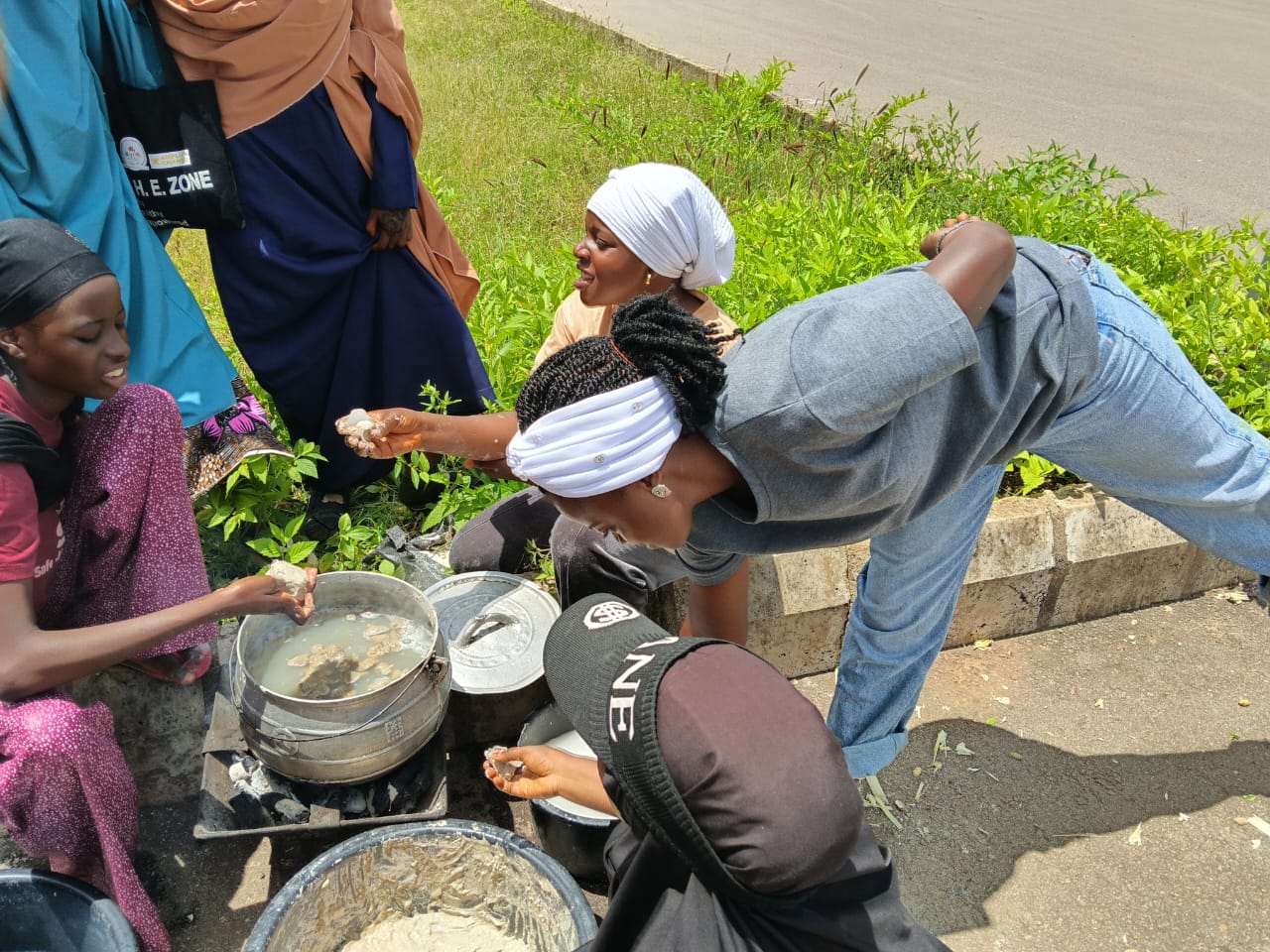
No fewer than 120 adolescent girls and young women in Kasuwan Magani, Kajuru Local Government Area of Kaduna State, have participated in an awareness programme on their fundamental rights and Freedom of Religion or Belief (FoRB) through traditional food cooking.
The engagement brought together girls aged between 19 and 24 from different religious backgrounds in the community, which has experienced ethno-religious tensions in the past.
The facilitator, Jonathan Peter, who coordinated the activity with the Kasuwan Magani team, said the initiative was designed to provide a safe and culturally relevant platform for young women to learn about their rights, build relationships and promote peaceful coexistence.
Participants were grouped into mixed-faith teams to prepare traditional meals, including Tuwon Shinkafa with Miyan Kuka and Dan Wake, while engaging in discussions on human rights, education, dignity, marriage choices, freedom from violence and religious freedom.
According to the activity report, an oral assessment conducted before and after the session showed that participants’ understanding of FoRB improved from 20 per cent to 85 per cent.
The report added that girls from Christian and Muslim backgrounds cooked, ate and cleaned together, helping to break stereotypes and strengthen mutual understanding.
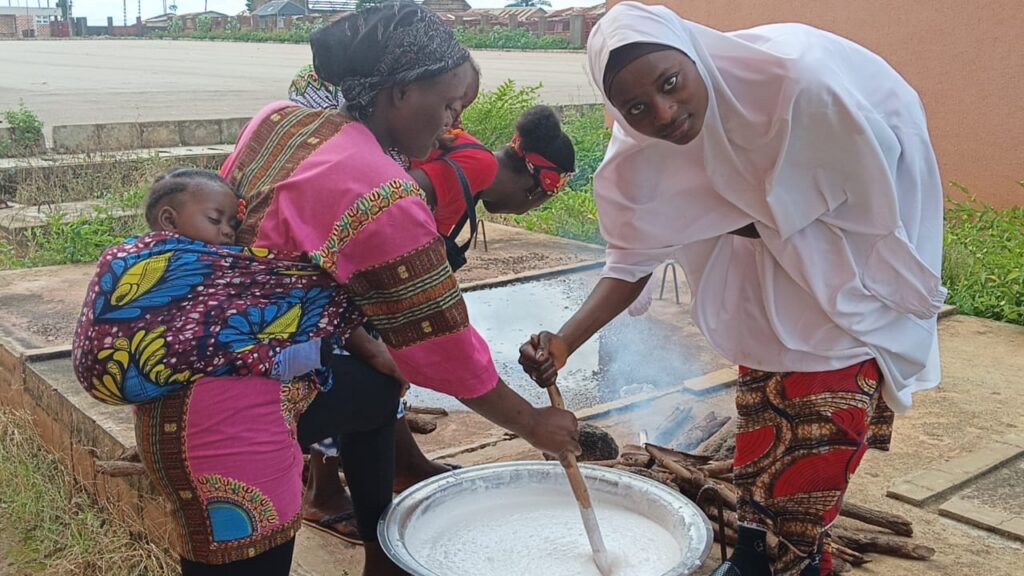
Twelve participants also requested follow-up mentorship on rights and livelihood opportunities, while two others shared experiences of alleged religious discrimination at school and home during the reflection session.
The organisers, however, noted that language barriers and initial shyness among participants posed some challenges, with Hausa and Adara languages used to facilitate understanding.
They recommended regular safe-space meetings, simplified information materials on girls’ rights in local languages and greater involvement of community and religious leaders in promoting the rights and protection of young women.
The organisers said the use of traditional cooking created a non-threatening environment for discussing sensitive issues and called for sustained engagements to address deep-rooted social norms and promote respect for religious diversity.
