
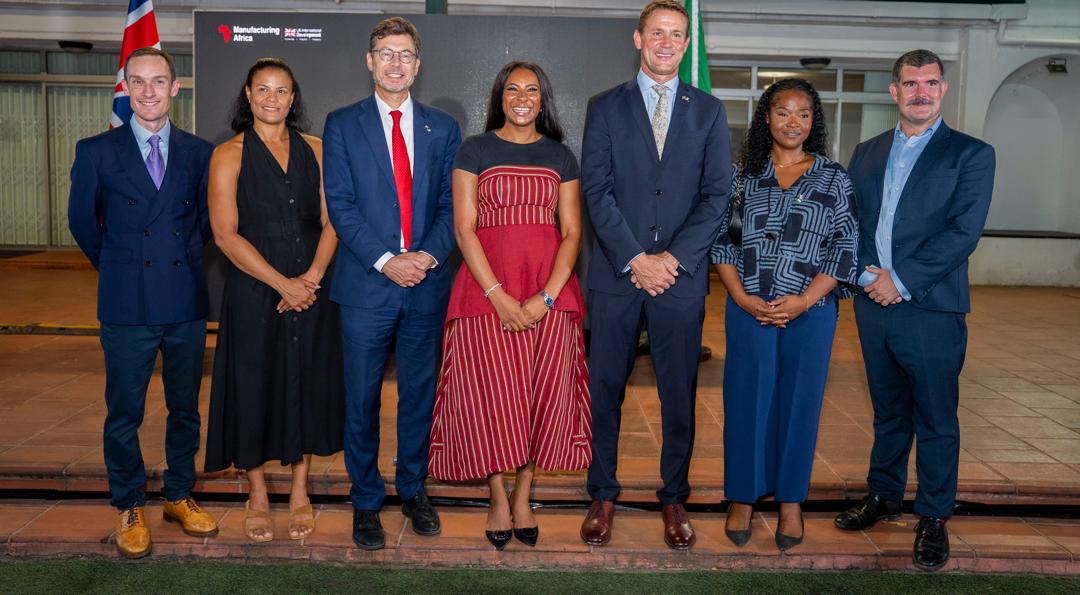

The programme, Manufacturing Africa, disclosed the figures at an investment-focused event in Lagos on Monday, where British officials, investors, business leaders and development partners gathered to assess its six-year operations in Nigeria and launch a free digital toolkit designed to help businesses secure financing.
The investment deals have the potential to create or safeguard more than 21,400 direct jobs, according to the programme, which has supported Nigerian companies in preparing for investment and navigating the process of securing capital.
The figures underscore the scale of financing that businesses can mobilise when investment facilitation is combined with practical support, even as the country continues to seek ways to expand industrial activity, attract private capital and generate employment.
But beyond celebrating completed transactions, the launch of the Fundraising Toolkit signals an effort to extend the programme’s experience to a wider pool of Nigerian enterprises, particularly those struggling to translate growth ambitions into investment-ready propositions.
The resource is intended to help businesses understand what investors require, prepare for fundraising and navigate negotiations, using practical guidance, templates and insights drawn from actual transactions across African markets.
According to the programme, the toolkit draws on more than six years of investment facilitation across Nigeria, Ethiopia, Kenya, Rwanda, Tanzania and Senegal, bringing together lessons from more than 300 investment opportunities and over 70 financial closes.
It also incorporates insights from more than 23 international investors, including development finance institutions, private equity firms and impact investors.
The programme said the material was developed from real fundraising experiences rather than theoretical investment guidance, reflecting how deals are structured, negotiated and concluded across African markets.
Speaking at the event, British Deputy High Commissioner in Lagos, Jonny Baxter, said the Nigerian businesses supported by the initiative had demonstrated the potential of investment facilitation to contribute to economic growth and employment.
Baxter said the 23 transactions had mobilised more than $630 million and had the potential to create or safeguard over 21,400 direct jobs.
He described the newly launched toolkit as a lasting legacy of the programme, saying it would enable more Nigerian businesses to access practical knowledge, investor insights and connections needed to raise capital and expand.
“The Fundraising Toolkit we launched tonight is one of the programme’s most important legacies,” he said, adding that it would continue to equip businesses with resources to attract investment beyond the programme’s operations.
He said the partnership had also strengthened economic ties between Nigeria and the UK by supporting businesses to expand, unlock investment and create employment opportunities.
British High Commissioner, Pete Vowles, said the programme’s significance lay in helping companies understand how to access commercial finance and use it to grow their operations.
Vowles said he was interested in learning how participating businesses had secured funding and how they intended to apply the new resource to support other companies.
He said the ability of businesses to share their experiences and help others access finance would be an important measure of the programme’s wider impact.
Team Leader of Manufacturing Africa, Thomas Pascoe, said the toolkit consolidated practical fundraising experience accumulated through the programme’s work with businesses across the continent.
He said the 23 Nigerian companies that reached financial close had raised close to $630 million, demonstrating the role of investment readiness, professional guidance and access to capital in helping businesses secure financing.
Pascoe said the toolkit captured approaches that had supported those fundraising journeys and was designed to help more enterprises strengthen their investment readiness and engage potential investors with greater confidence.
“Our ambition is to make this practical resource accessible to more businesses, helping them strengthen their investment readiness, engage investors with greater confidence and unlock the capital they need to grow,” he said.
Figures released by Manufacturing Africa show that the programme has supported 72 investment opportunities in Nigeria since 2019, with 23 successfully reaching financial close.
The distinction is significant: while the programme has worked with a wider pool of businesses seeking investment, the reported $630 million relates to transactions that progressed to financial close.
Across its six African markets, Manufacturing Africa said it had supported more than 300 companies and developed a pipeline of manufacturing investment opportunities worth over £12 billion.
The programme has also mobilised more than £2 billion in foreign direct investment, exceeding its original £1.2 billion target, while supporting the creation of over 150,000 direct and indirect jobs across its operations.
About 43 per cent of those jobs benefit women, according to the programme.
Funded by the UK Government through the Foreign, Commonwealth and Development Office, Manufacturing Africa was established in 2019 to promote African industrial growth by facilitating investment.
Its work in Nigeria and other participating countries has involved helping businesses prepare for investment and supporting investors in assessing opportunities, including transactions involving development finance institutions and private equity funds.
The newly launched toolkit is available free online, without registration, and is currently offered in English.
For Nigerian businesses, the programme’s next test will be whether the fundraising knowledge accumulated through its completed deals can help a broader range of enterprises secure capital, expand production and turn investment ambitions into sustainable employment.
