

By Anthony Maliki, Abuja
The medical humanitarian organisation Médecins Sans Frontières (MSF) is calling for stronger action to prevent and treat noma disease. Despite being recognised by the World Health Organisation (WHO) as a Neglected Tropical Disease in 2023, noma remains largely absent from routine healthcare and child health programmes in Nigeria.
Noma is a non-contagious disease that rapidly spreads and causes destruction of facial tissues and bones. It affects the most vulnerable, mostly children under seven years old, who live in extreme poverty and isolated areas. Most of these children deal with malnutrition, limited vaccination coverage, poor oral health, and restricted access to healthcare.
“Noma is preventable and can be treated if detected early,” says Florencia Maghanga, MSF medical team leader for Sokoto. “But if it’s left untreated, it leads to death for around 70 to 90 per cent of those infected.”
When identified in its early stages, noma can be effectively managed with antibiotics, appropriate wound care, nutritional support, and treatment of underlying conditions. However, once the disease progresses, care is largely limited to clinical stabilization until infection subsides, followed by the need for complex and resource-intensive reconstructive surgery to restore form and function.
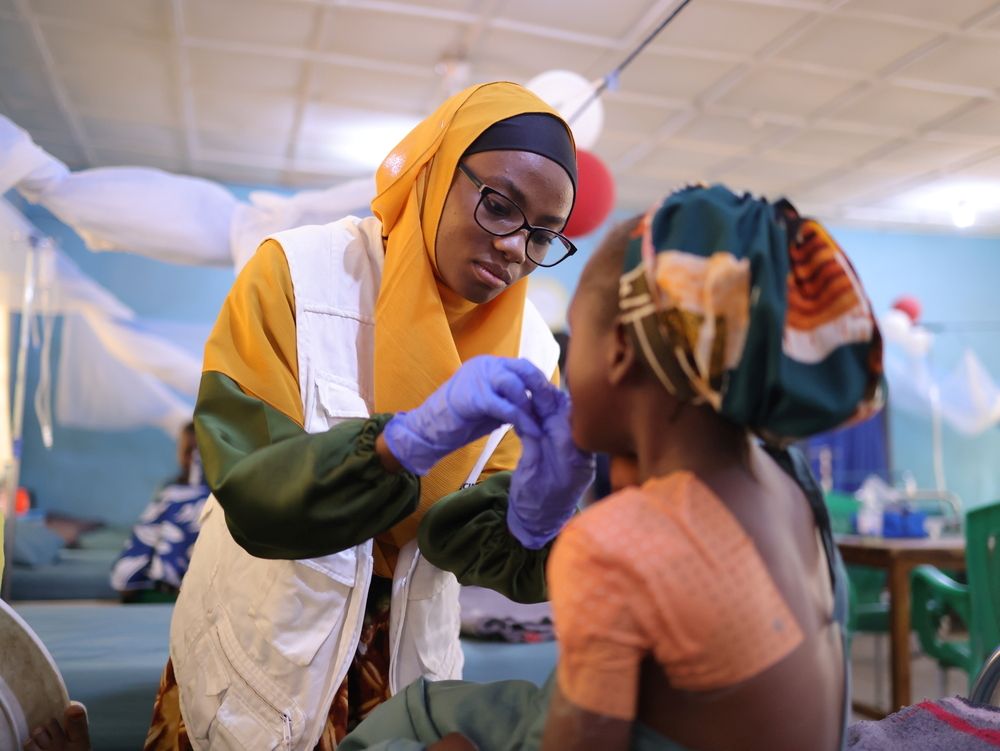
Since 2014, MSF has supported the Nigerian Ministry of Health’s Noma Children Hospital in Sokoto, one of the few specialised centres for noma treatment worldwide. Between 2014 and 2025, MSF teams performed 1645 reconstructive surgeries for 1,078 patients. In 2025 alone, 1,034 patients received medical treatment and support, including reconstructive surgery, nutritional care, physiotherapy, and psychosocial support. Between 17 April to 1 May 2026, during the first surgical intervention of the year, 55 life-changing surgeries were performed on noma patients.
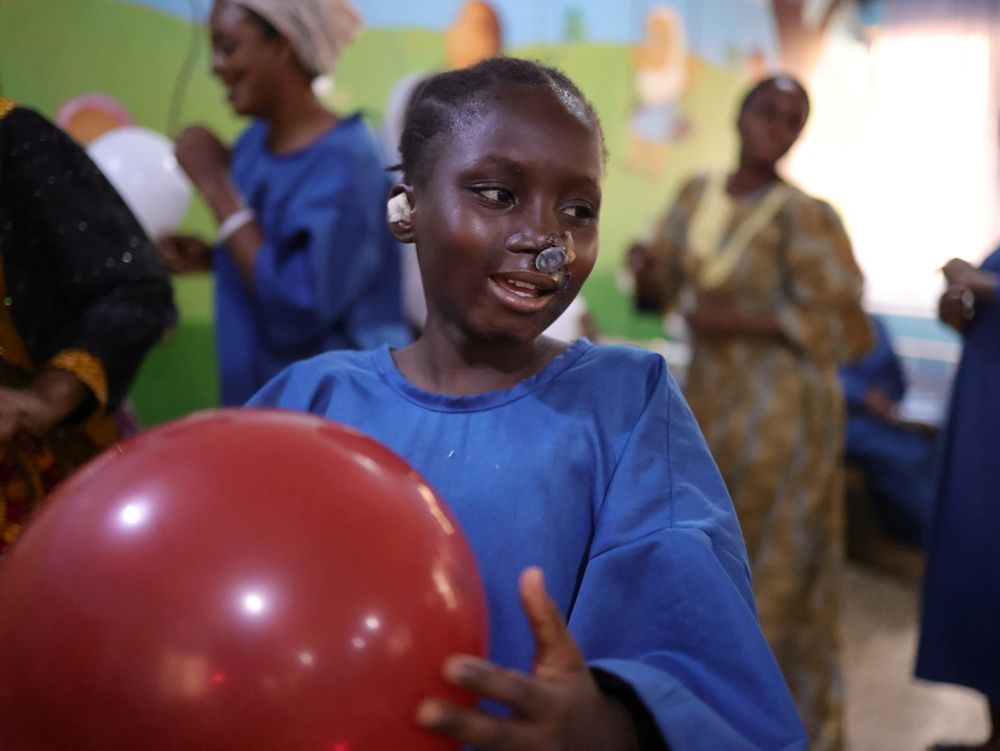
Many noma survivors arrive after years of living with severe facial disfigurements that make it difficult to eat, speak, or breathe. Beyond the physical burden, survivors often face profound socio-economic consequences, including long-term psychological distress, social stigma and exclusion, barriers to education and livelihoods, and sustained financial hardship for affected households.
“Noma represents an indicator of systemic gaps in primary health care, closely associated with malnutrition, low immunization coverage, recurrent infections, inadequate oral hygiene, and limited access to health services” says Florencia Maghanga, MSF medical team leader for Sokoto.
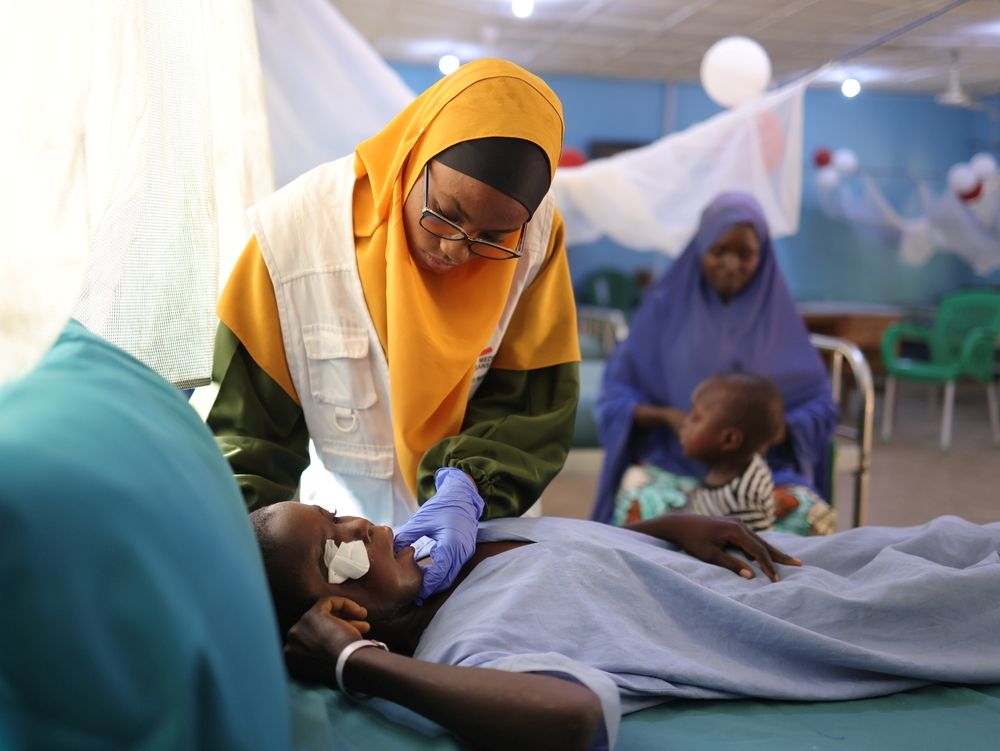
Despite its devastating consequences, awareness and knowledge about noma remain critically limited among health workers. In many instances, patients who eventually reach specialized centres arrive in severely deteriorated conditions, having already sought care at multiple facilities, including higher-level hospitals, without timely recognition of the disease, allowing the disease to progress and missing the opportunity for life-saving treatment.
Urgent, coordinated action is needed to integrate noma prevention, early detection, treatment, and surveillance into primary health care and national child health programmes. Urgent measures include strengthening frontline health worker capacity, incorporating noma into routine surveillance systems, establishing effective referral pathways, ensuring the availability of essential medicines and nutrition support, and expanding community awareness and prevention efforts.
“Health workers and communities need better awareness of the disease so children can receive treatment before complications become severe,” says Maghanga. “No child should suffer or die from a disease that can be prevented and treated.”
