
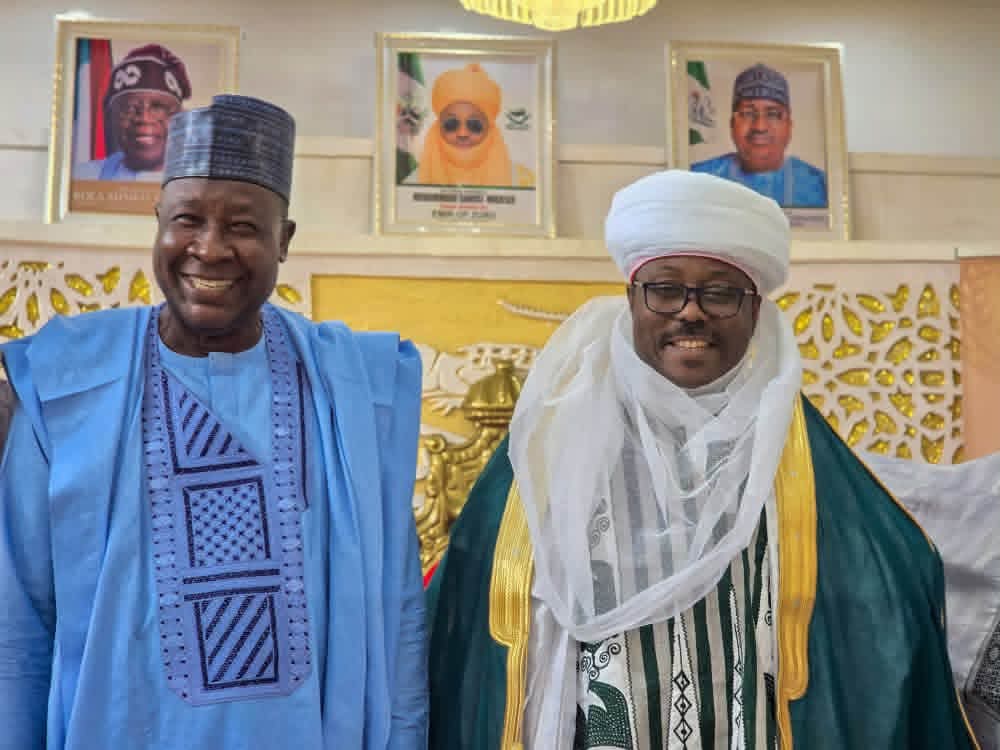
When the throne meets the state: How Zuru Emirate, Kebbi Government are forging common vision for development

By Ibrahim A Jombali
There are special and concrete occasions when governance rises above the mechanics of policy implementation and becomes a profound dialogue of trust, shared purpose, and collective destiny. Such was the defining character of the engagement between the Kebbi State Government media team and the traditional institutions of the Zuru Emirate—a gathering where the authority of the throne met the responsibility of the state in an atmosphere of mutual respect, candour and uncommon partnership , all of them anchored on patriotism and the solid desire for progress and development.
It was not merely another stakeholder meeting. It was an affirmation that sustainable governance flourished when public institutions recognised the enduring relevance of traditional authority as a vital partner in peacebuilding, community mobilisation, and grassroots development.
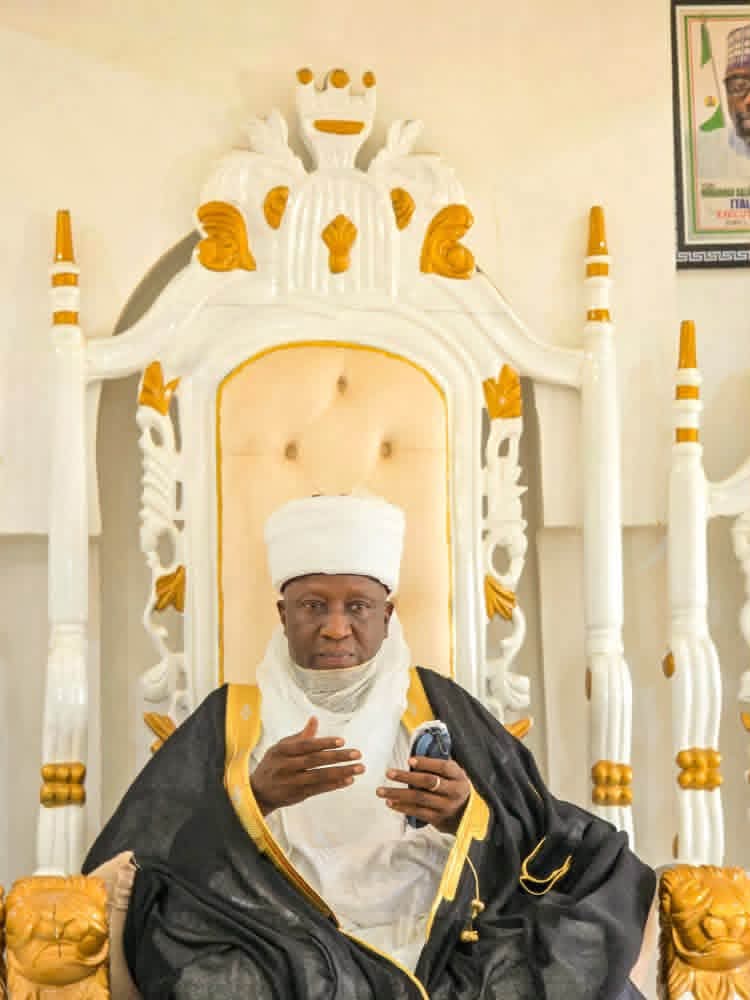
Setting the tone for the engagement, the Emir of Zuru, his royal highness, Muhammad Sanusi Mikailu, Sami Gomo 111, offered a compelling appraisal of Governor Nasir Idris’ administration, commending what he described as a deliberate commitment to people-oriented, people- centered, and people – targeted development. His Royal Highness noted that the administration’s expansive infrastructure agenda is steadily redefining the socio-economic landscape of the emirate, with the ongoing Dabai–Mahuta–Koko Road standing out as a strategic investment capable of unlocking commerce, improving connectivity and accelerating rural prosperity and protecting lives and property. On top of all these, he assured , the road is a powerful instrument for the promotion of unity and cooperation among people of the state.
Beyond physical infrastructure, the Emir acknowledged the remarkable improvements in the security situation across the emirate. According to him, renewed stability has restored confidence among citizens, revived economic activities, and enabled communities once burdened by uncertainty to embrace the promise of normal life once again.
Equally significant was his commendation of Governor Idris’ consultative style of governance. By consistently engaging traditional rulers and order community leaders in matters affecting their communities, the administration has reinforced the indispensable role of traditional institutions as partners in governance rather than mere ceremonial observers. It is an approach that recognises that effective leadership is strengthened when modern governance draws wisdom from centuries-old institutions that remain closest to the people.
The Emir also applauded the renovation of palaces across the emirate’s chiefdoms, describing the intervention as more than a physical upgrade. It represents a deliberate investment in preserving the dignity, relevance, and institutional capacity of traditional leadership. Complementing this initiative is the provision of Sport Utility Vehicles (SUVs) to traditional rulers, a practical gesture that has enhanced their mobility and improved their ability to respond promptly to the needs of their communities.
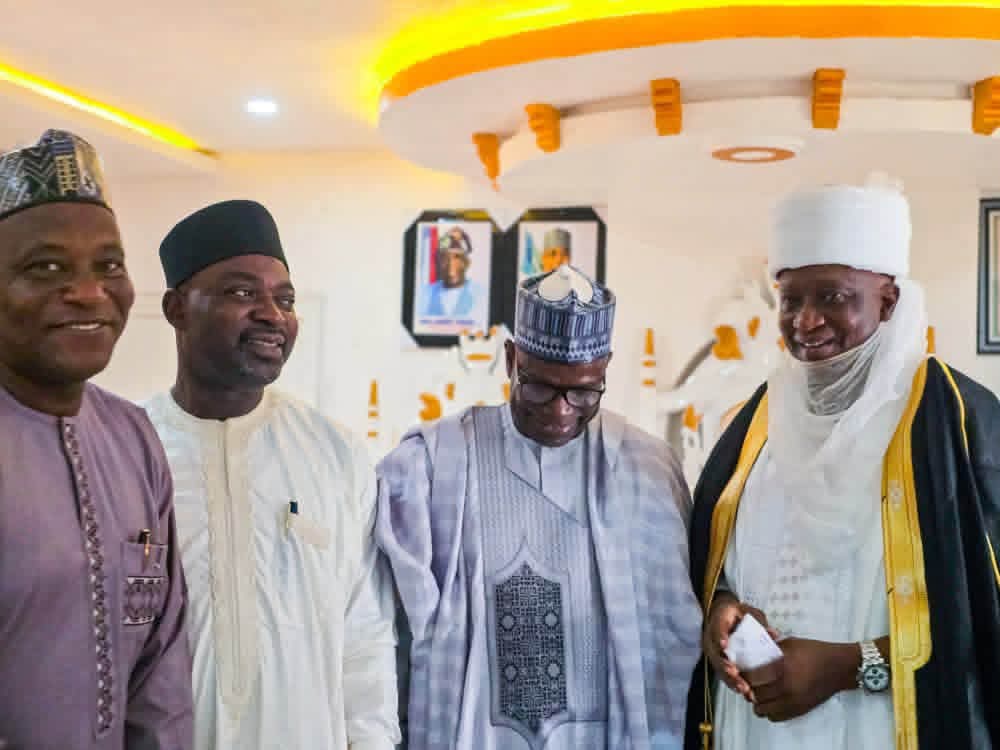
Security, understandably, remained central to the conversations. The Emir acknowledged the construction of a Mobile Police Barracks alongside the establishment of Forward Base Operations in strategic locations, describing both initiatives as timely investments that have significantly strengthened the security architecture of the emirate. These interventions, he observed, underscore an administration determined to create an environment where citizens can live, work, and invest with confidence.
Yet, perhaps the most profound contribution to the dialogue came not from the commendations but from the thoughtful counsel offered by the Chiefdoms of Wasagu and Dabai. While expressing appreciation for the administration’s accomplishments, they advocated a deeper institutional partnership between security agencies and traditional authorities, particularly in intelligence gathering and early warning mechanisms.
Their argument was both practical and persuasive. Traditional rulers remain the closest custodians of their communities. They understand the social dynamics, recognise unfamiliar movements, identify emerging tensions, and often possess invaluable local intelligence long before threats manifest into security crises. Harnessing this indigenous knowledge through structured collaboration with security agencies would significantly strengthen preventive policing while reinforcing public confidence in government.
Their intervention echoed a timeless principle often overlooked in contemporary security discourse: lasting peace can not be sustained solely through military deployments or sophisticated technology. It must equally be nurtured through community ownership, local participation, and trusted relationships between the government and the governed. Every district head, village chief, and palace represents a repository of intelligence that no surveillance system can fully replicate.
By the close of the engagement, the atmosphere was defined not simply by appreciation for projects executed but by a renewed confidence in the power of partnership. The conversations reflected a governance philosophy that listens before it leads, consults before it acts, and recognises that development is most enduring when communities become active stakeholders in shaping their future.
The Zuru Emirate engagement , therefore, represented far more than an administrative engagement. It became a compelling demonstration of how governance and traditional institutions can work in harmony to advance shared aspirations. It affirmed that while roads connect towns and villages, trust connects generations; while public infrastructure symbolises progress, collaboration remains the enduring foundation upon which peace, stability, and sustainable development are ultimately built.
In Zuru, the throne and the state did not merely meet. They spoke with one voice—and in that unity lies a compelling blueprint for inclusive governance and enduring progress.
Governor Nasir Idris has restored hope in the hearts of the people and created opportunities for growth in all communities. This excites the traditional institution as the journey to prosperity continues firmly, strongly, and intentionally.
Jombali is the Special Adviser on Public Enlightenment and Orientation to the Kebbi State Governor.
