
MSF tasks gov’t, stakeholders on primary healthcare integration as Sokoto noma hospital begins final surgical drive

Médecins Sans Frontières (MSF) has renewed its call for the integration of noma prevention and treatment into Nigeria’s primary healthcare framework, warning that systemic oversight continues to leave impoverished children vulnerable to the rapidly destructive disease.
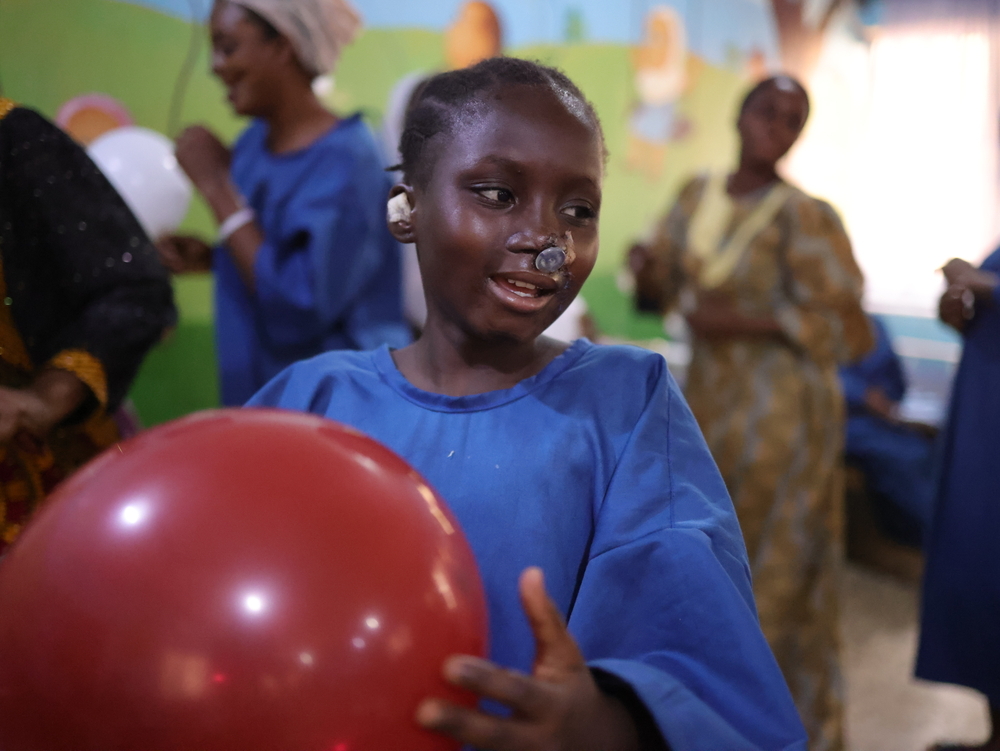
The appeal was made as the Sokoto State Ministry of Health’s Noma Hospital, supported by MSF, commenced its final surgical intervention phase for 2026, targeting 40 patients for life-changing reconstructive procedures.
Noma is a non-contagious condition that destroys facial tissues and bones within days. If left untreated, the disease carries a staggering mortality rate of 70 to 90 per cent. Survivors frequently endure severe physical impairments affecting eating, speaking, and breathing, alongside intense social stigma, financial hardship, and psychological distress.
Although the World Health Organization (WHO) formally classified noma as a Neglected Tropical Disease (NTD) in 2023, health advocates note that it remains largely missing from routine child health programmes and primary healthcare delivery networks across Nigeria. The disease predominantly strikes children under seven years of age who live in remote, underserved communities marked by extreme poverty, malnutrition, low immunization coverage, and poor oral hygiene.
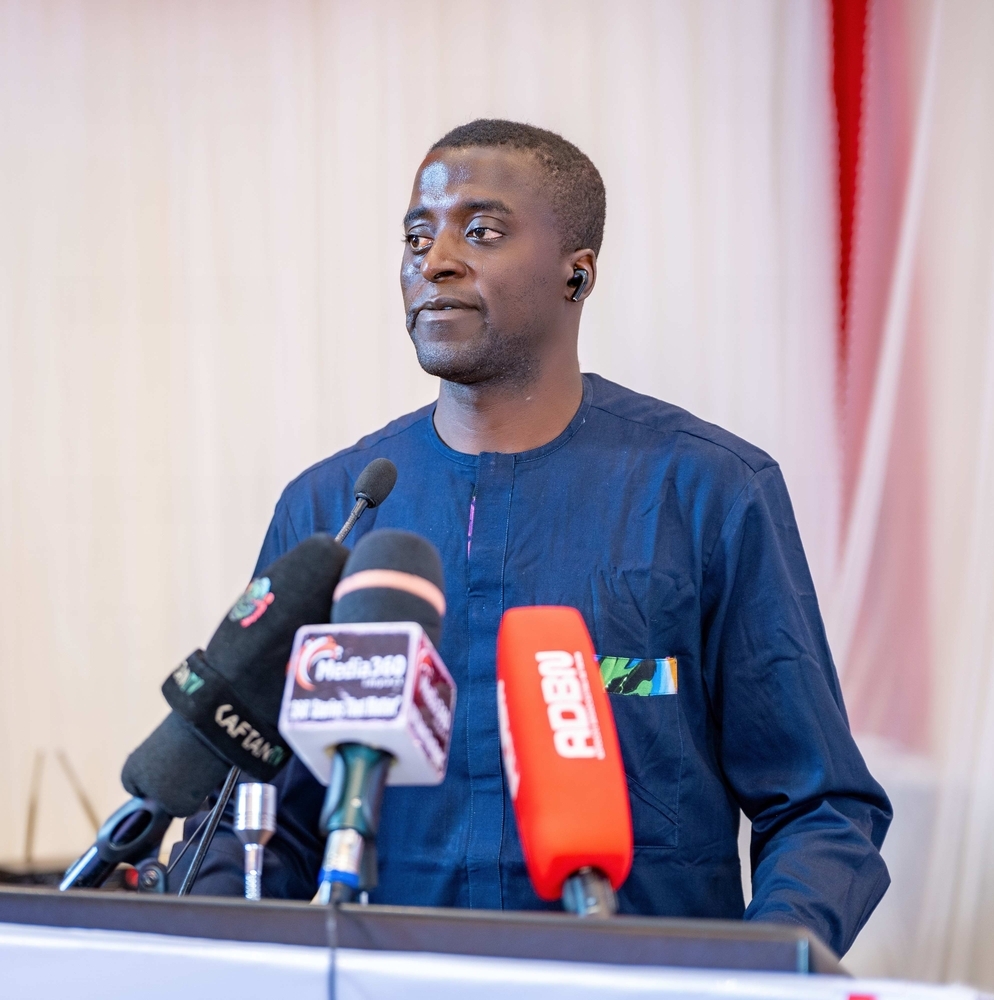
Speaking on the imperative of expanding grassroots access, Samuel Ajamah, MSF Nursing Activity Manager at the Noma Hospital in Sokoto, emphasized that early medical intervention remains the ultimate safeguard against avoidable fatalities and lifelong disfigurement.
“Noma is preventable and treatable. No child should suffer or die from a disease that can be detected early and effectively managed,” Ajamah stated. He explained that when identified in its nascent stages, the condition can be successfully reversed using basic antibiotics, wound care, nutritional rehabilitation, and the management of underlying health conditions.
Ajamah further noted that while global recognition of noma as an NTD was a vital milestone, it must be matched by tangible commitments on the ground.
“Recognition of noma as a Neglected Tropical Disease was an important step, but recognition alone is not enough. We now need practical investment in prevention, early diagnosis, and access to care,” he asserted. “Noma is a marker of inequality. Addressing it requires stronger primary healthcare, better nutrition, improved vaccination coverage and greater access to health services.”
MSF has maintained a strategic partnership with the Sokoto Noma Hospital—one of the premier specialized centres for the disease globally—since 2014. Between 2014 and 2025, MSF surgical teams executed 1,645 reconstructive operations for 1,078 patients. In 2025 alone, 1,034 patients received comprehensive clinical packages encompassing surgery, nutrition, physiotherapy, and mental health support, while a prior surgical window between April and May 2026 delivered 55 procedures.
Despite these institutional interventions, health workers point out that community-level awareness remains low, often causing patients to cycle through multiple unequipped clinics and missing critical windows for early treatment.
To bridge these gaps, Ajamah said, MSF is advocating for an expanded policy roadmap that includes: “integrating noma prevention, diagnosis, and treatment directly into primary healthcare facilities, scaling up targeted training and disease awareness for frontline medical personnel, incorporating noma into routine national disease surveillance systems, establishing structured, effective referral pathways from rural communities to specialized centres, ensuring the steady availability of essential medicines, nutritional support, and public education campaigns”.
